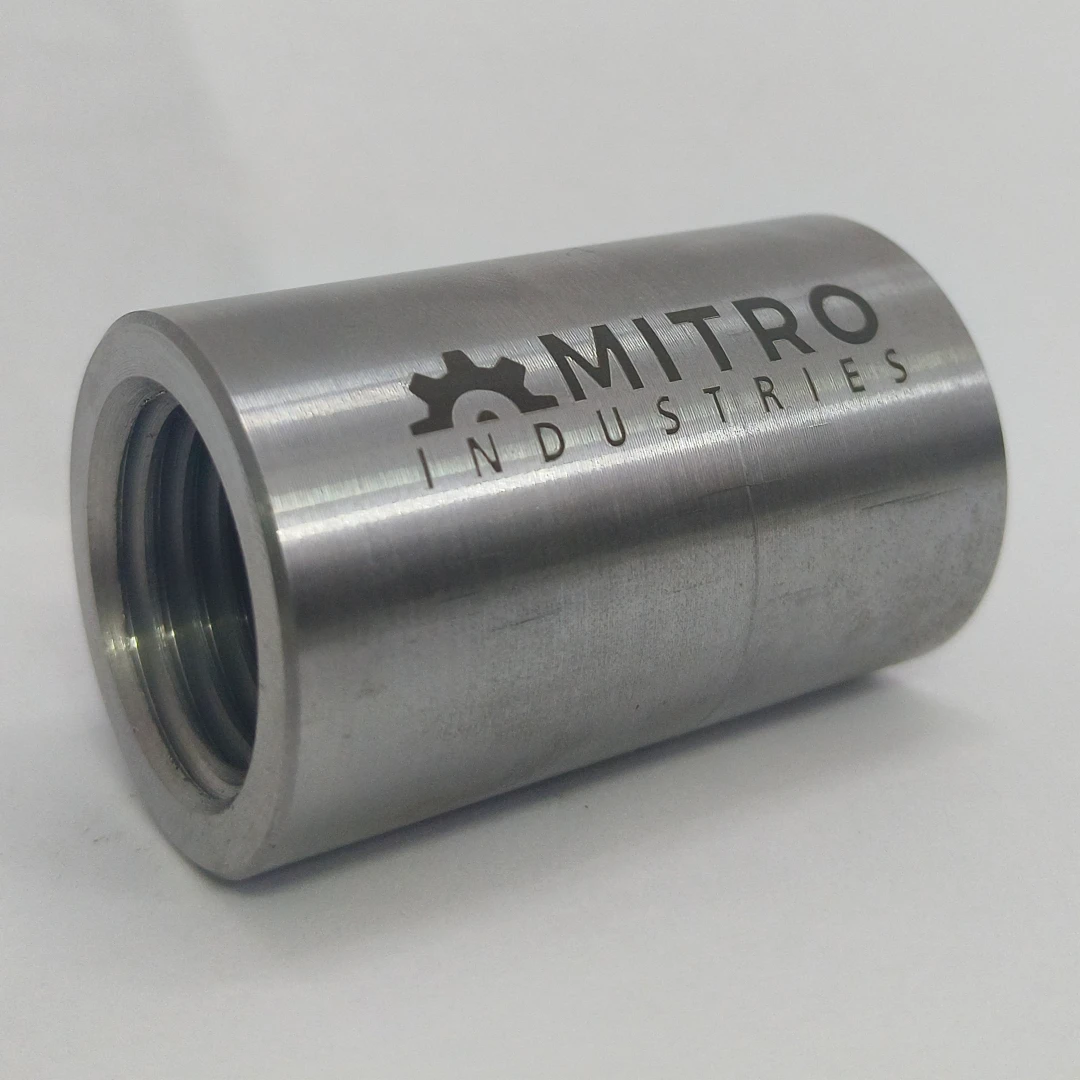
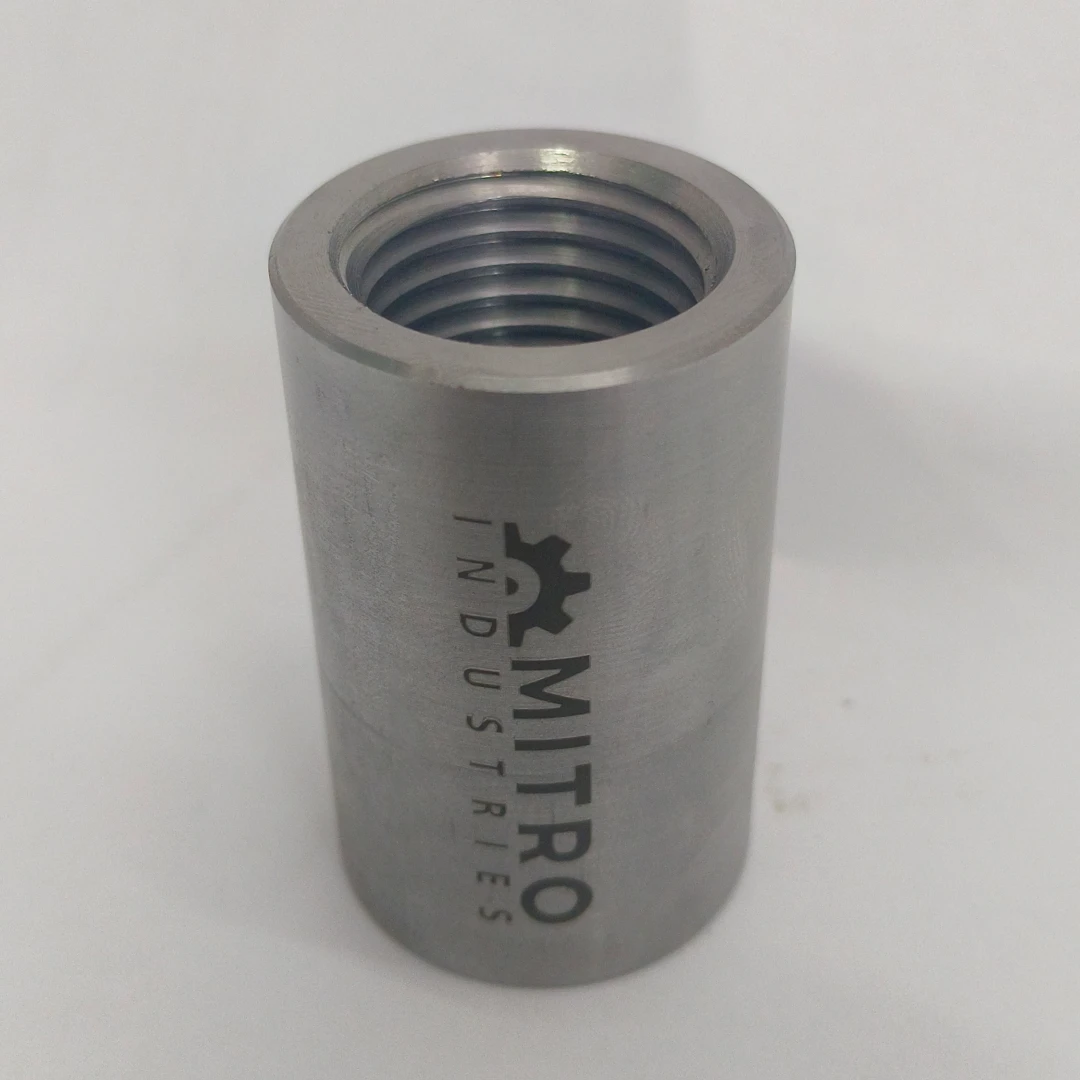
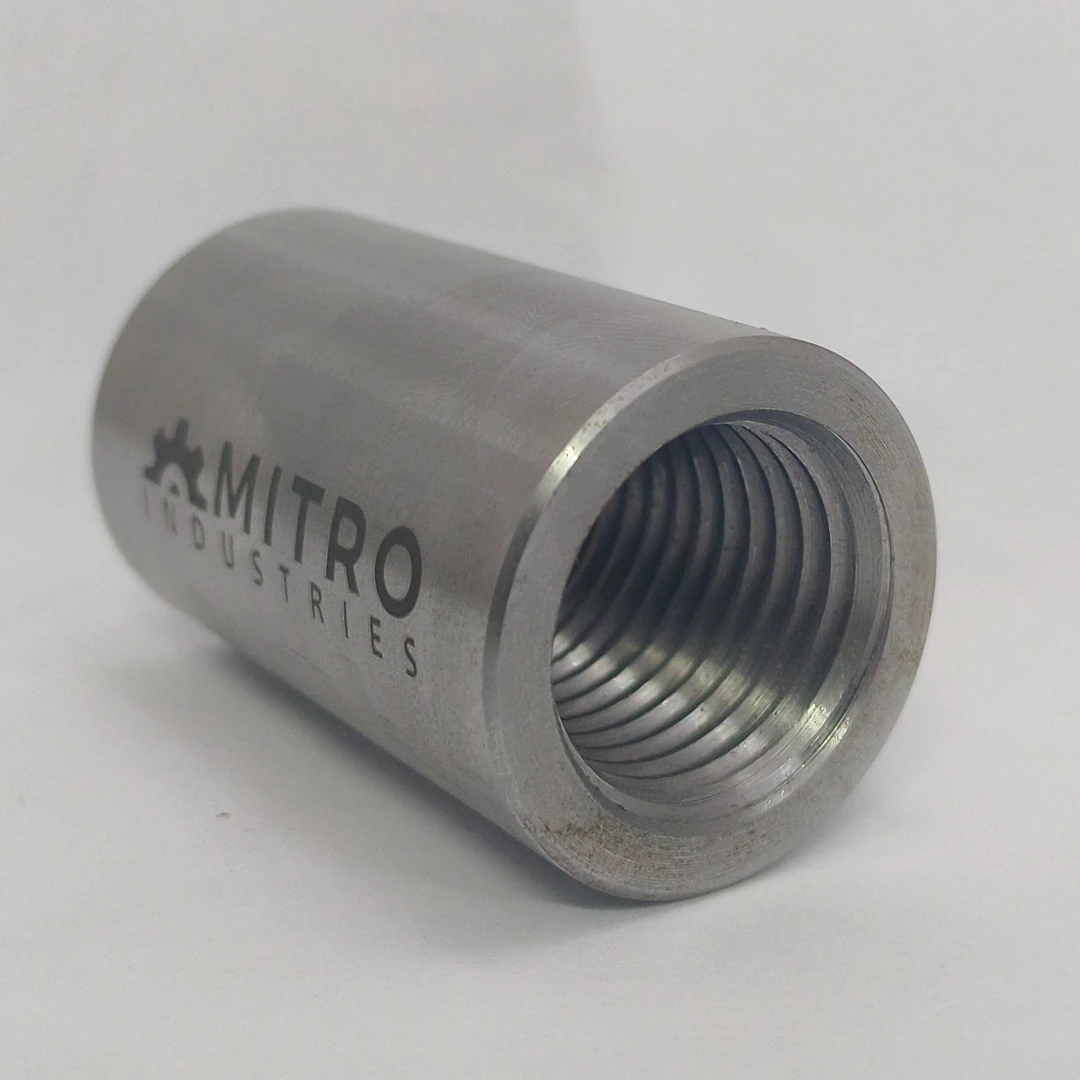
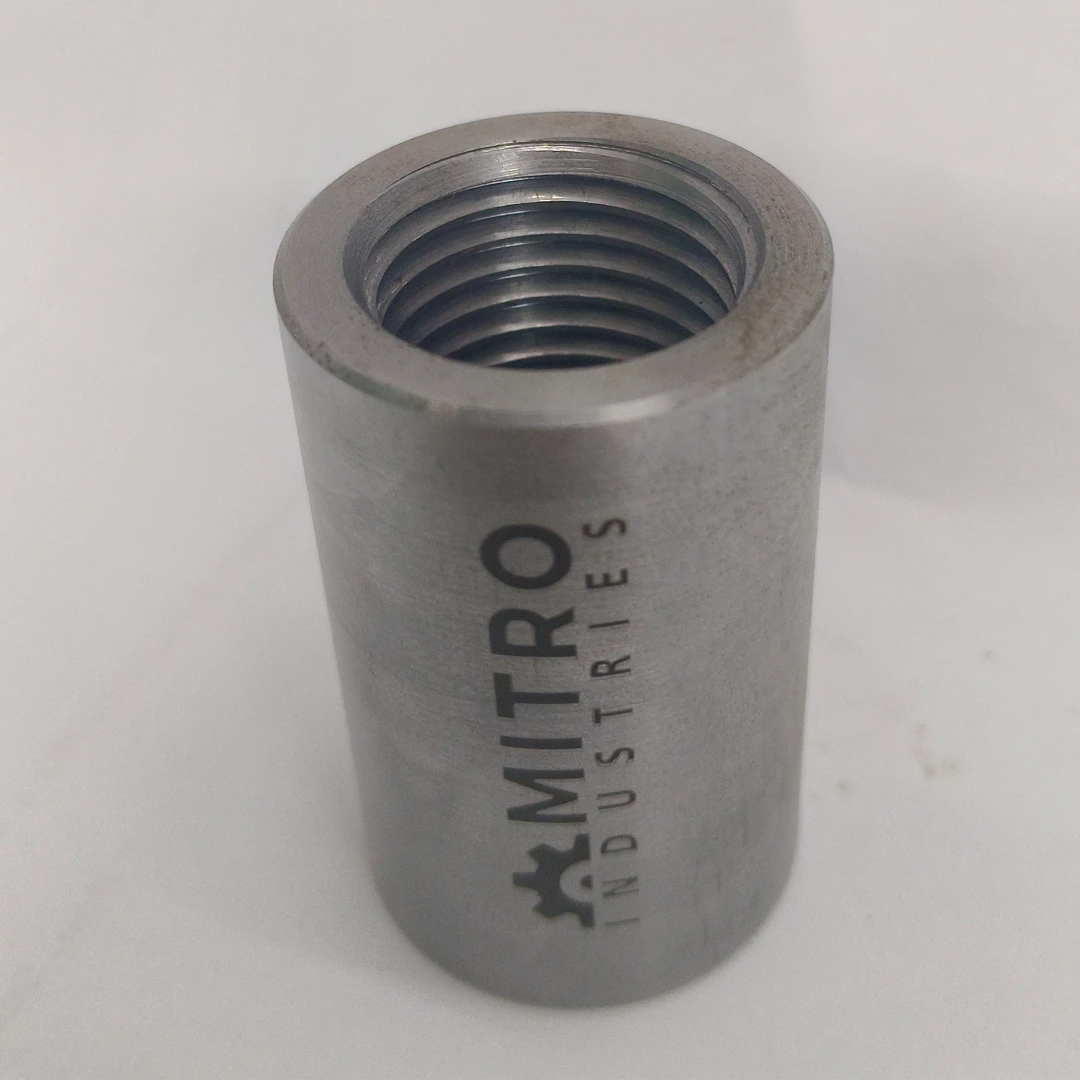
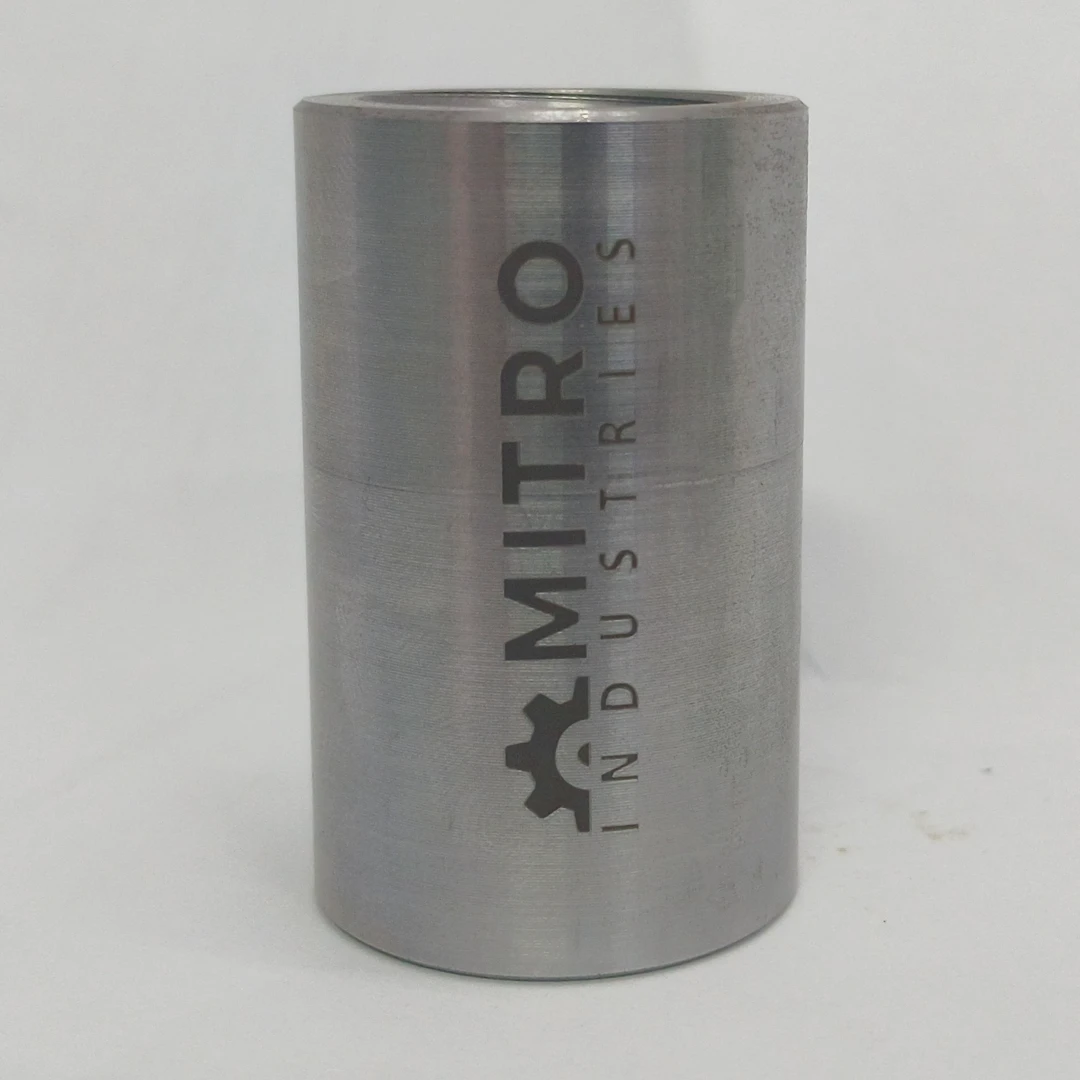
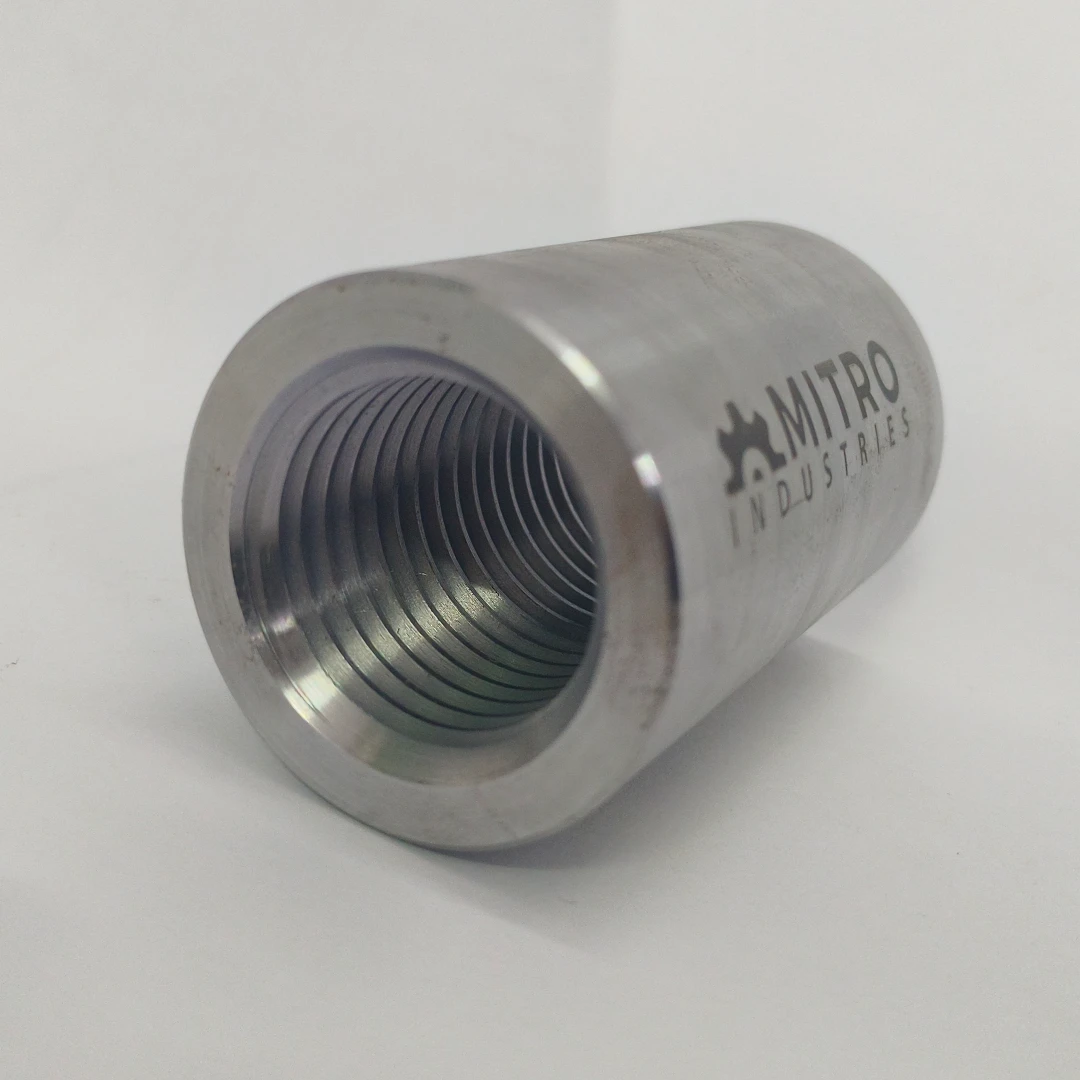
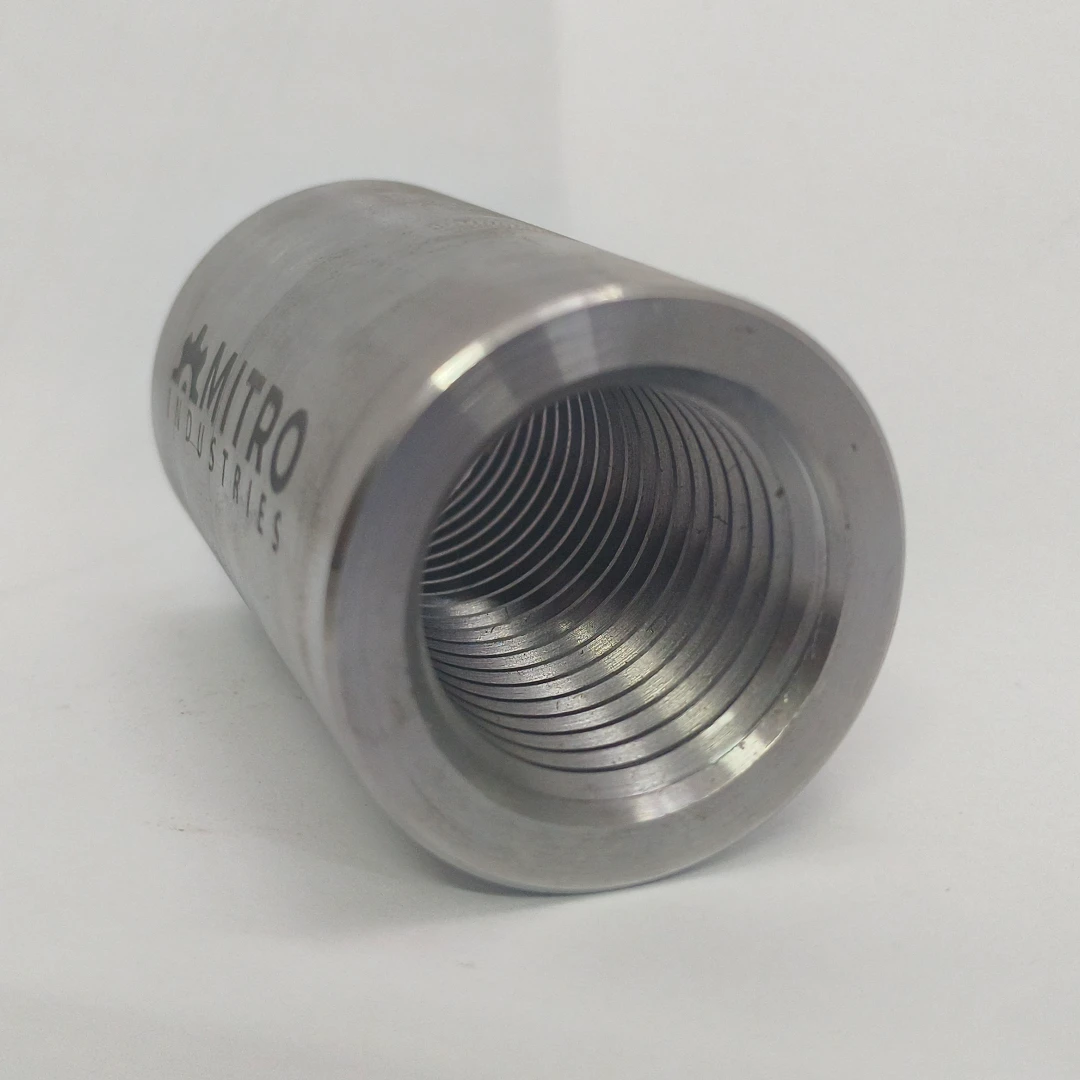
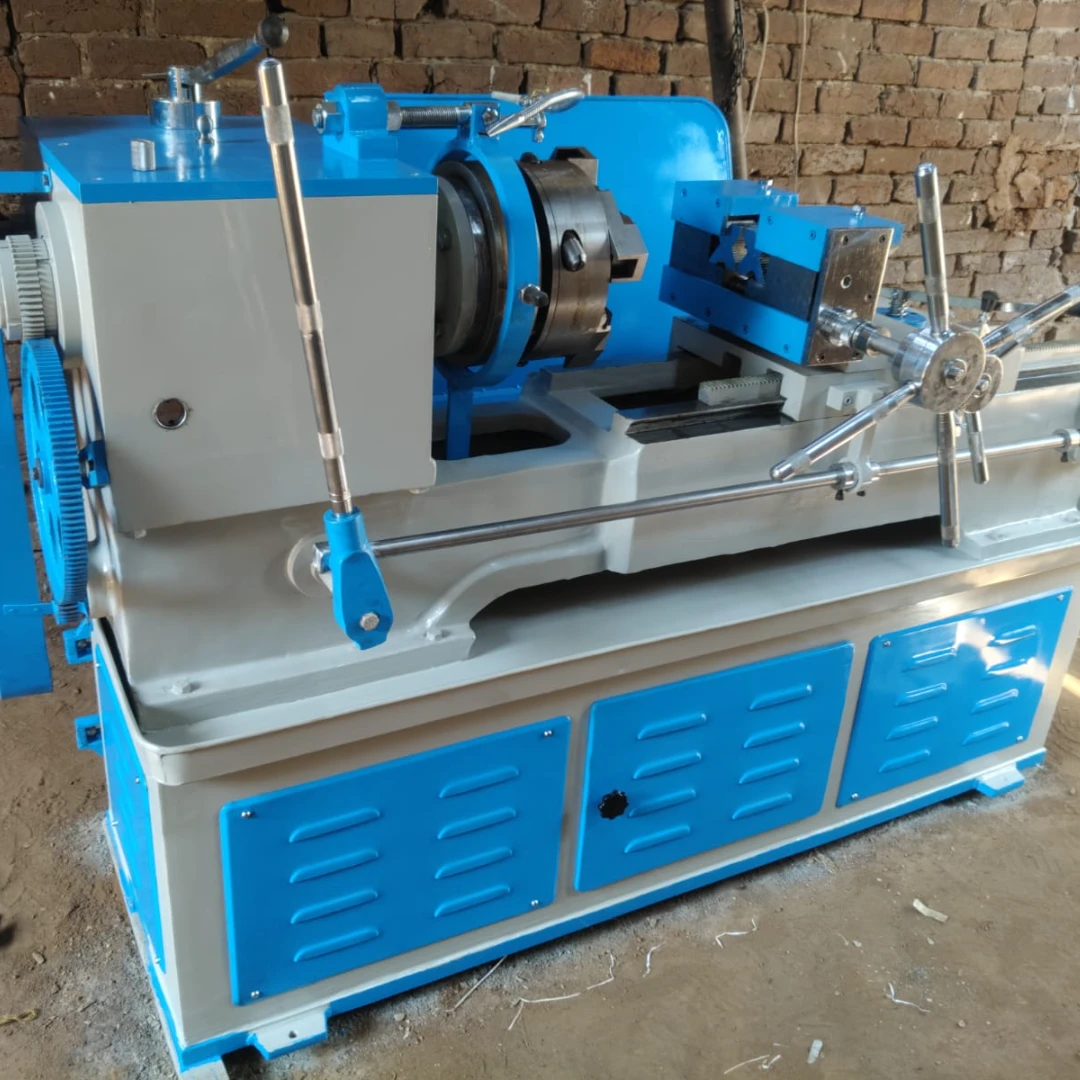
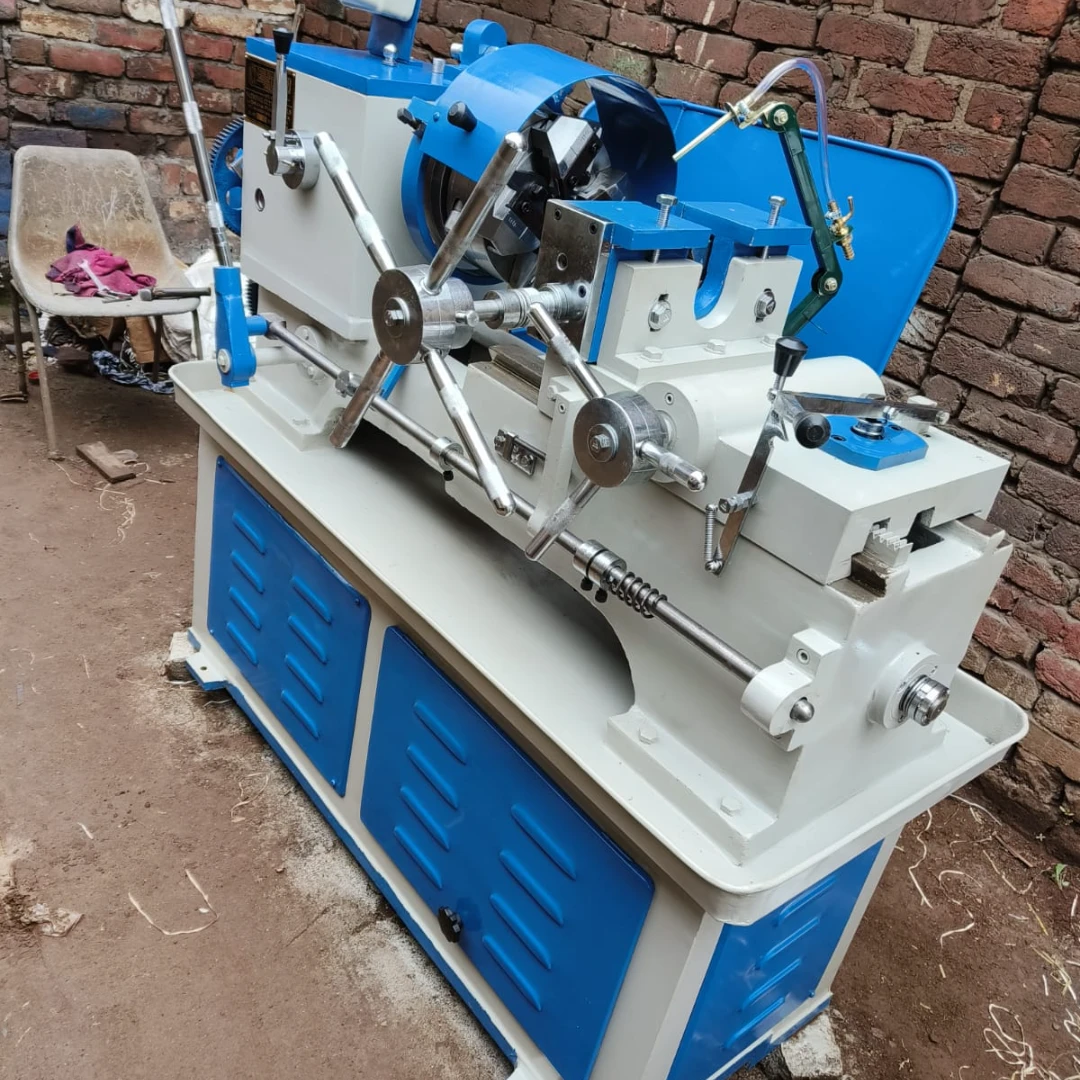
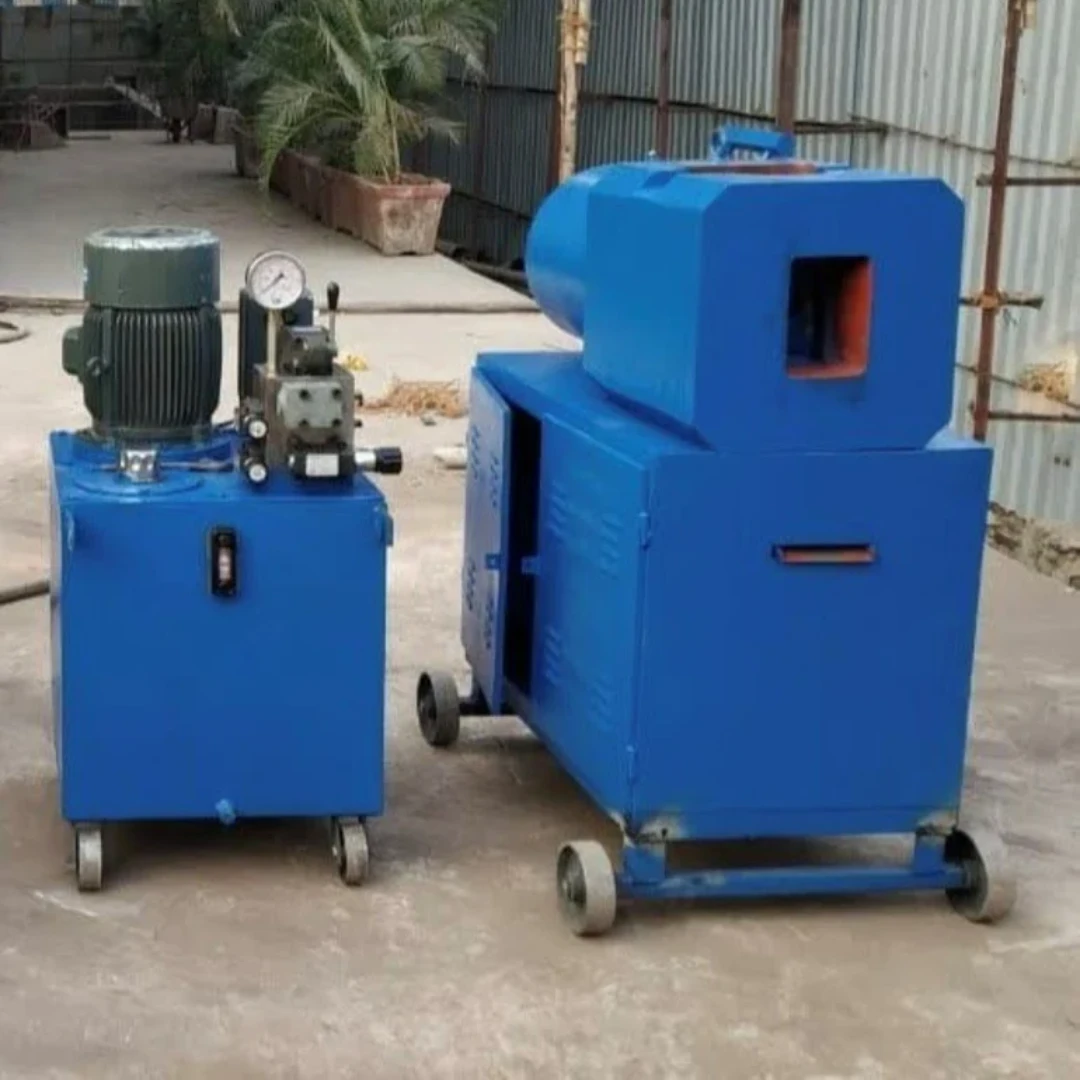
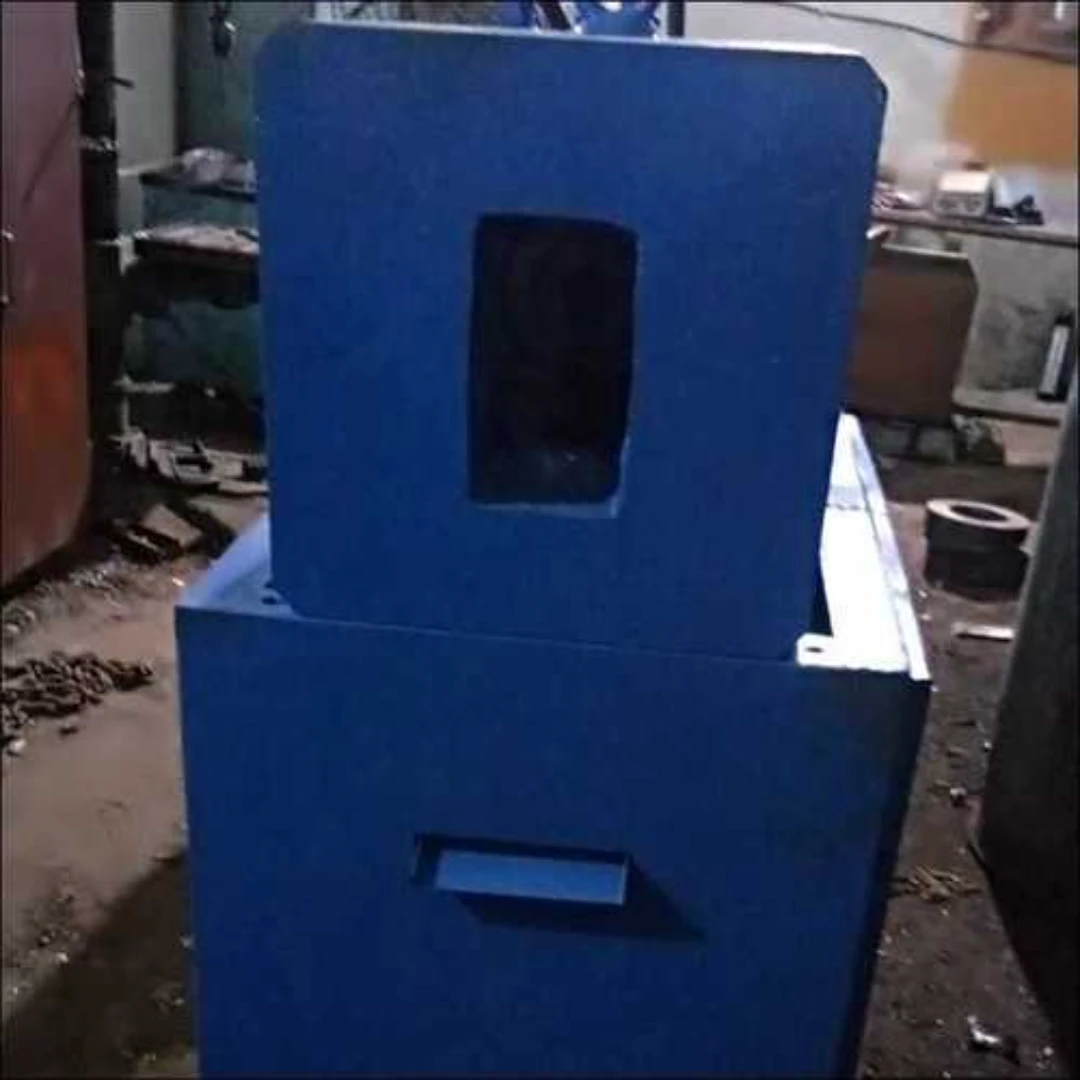
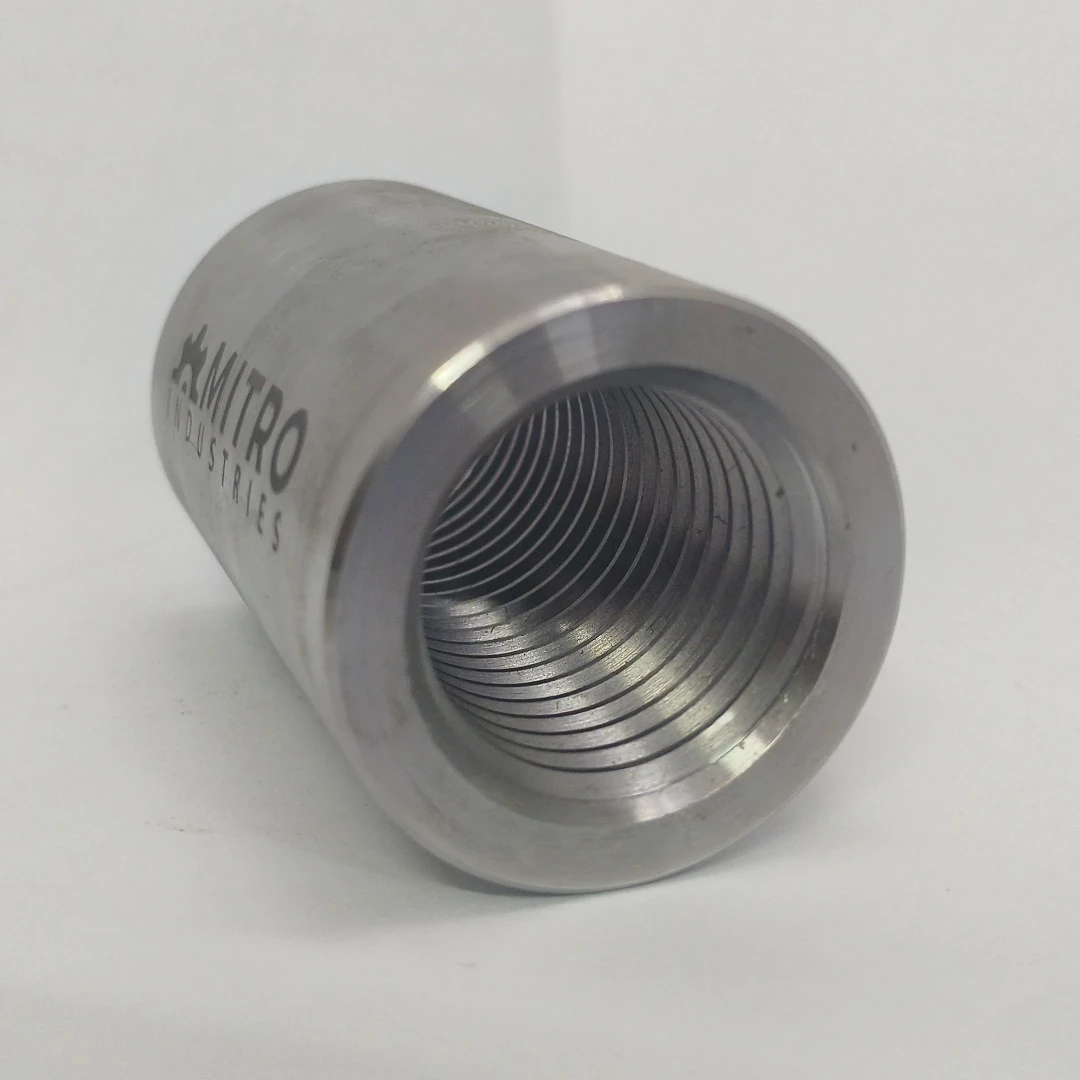
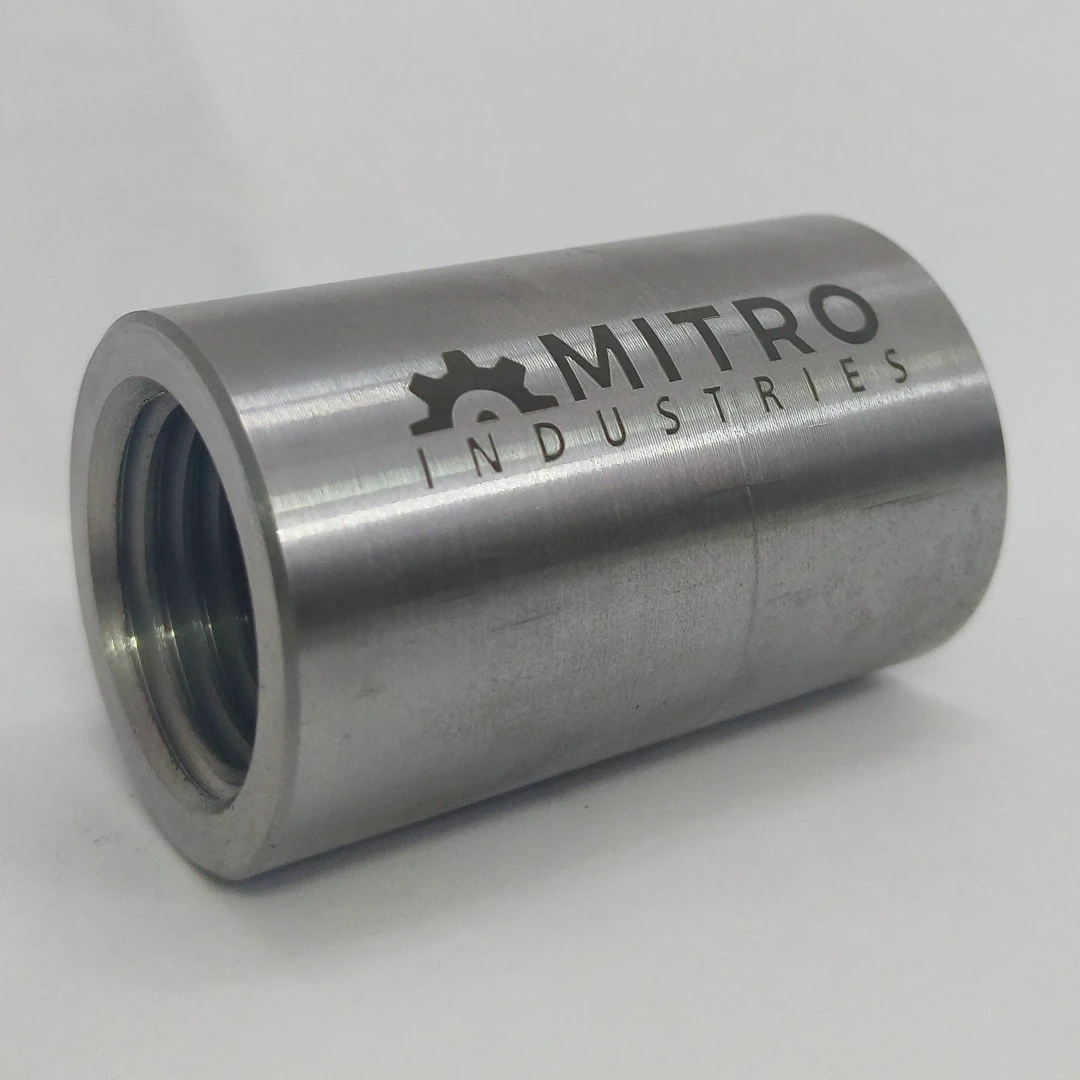
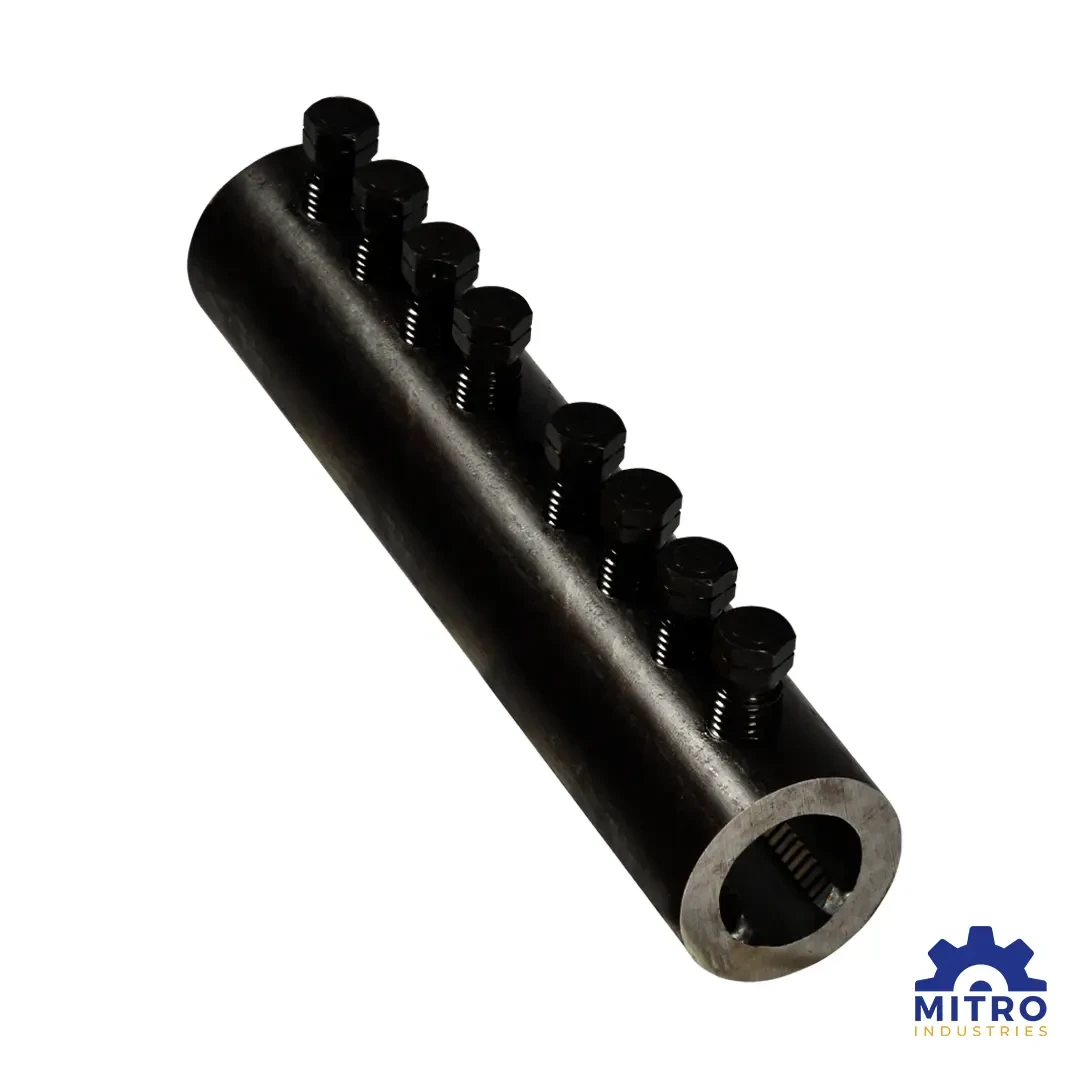
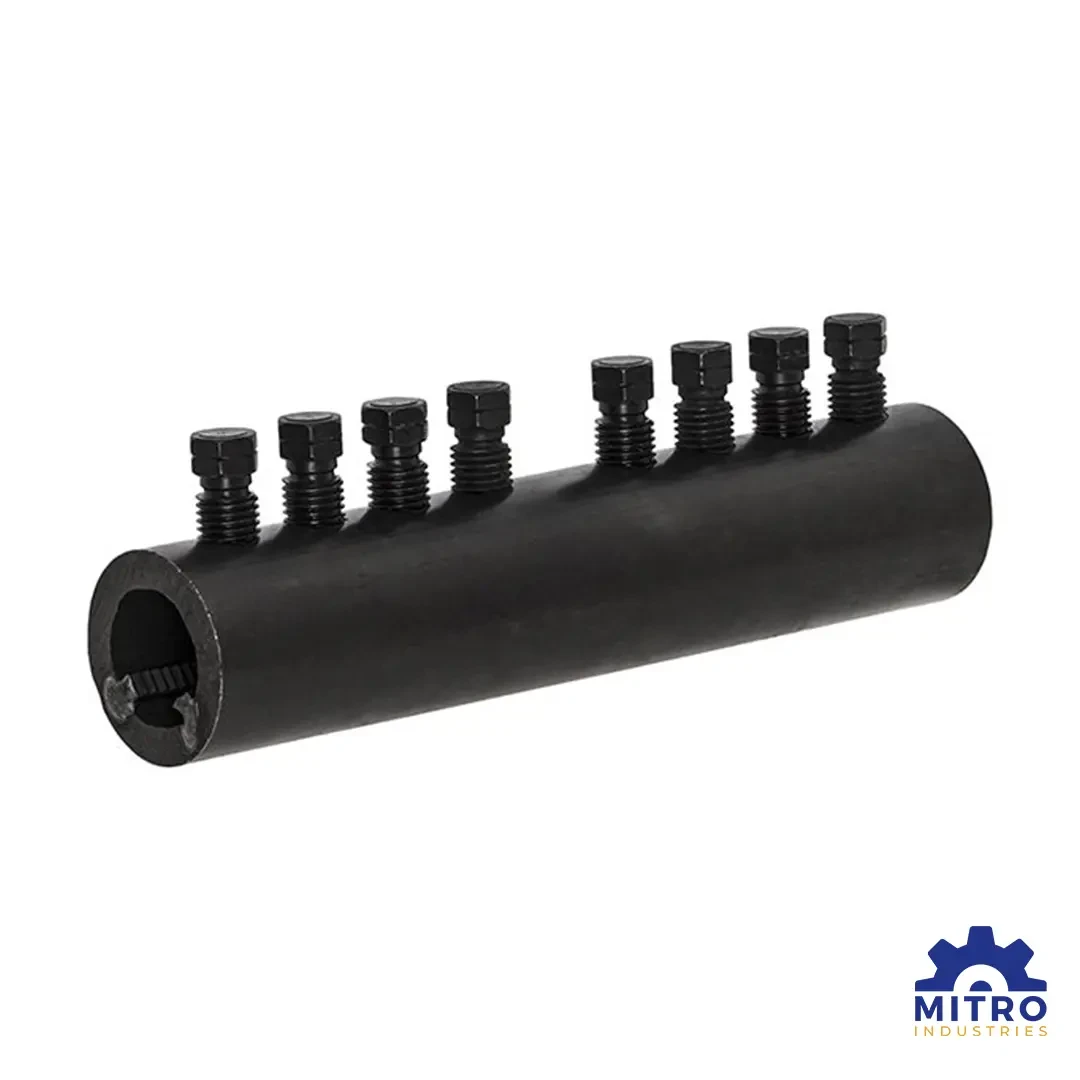
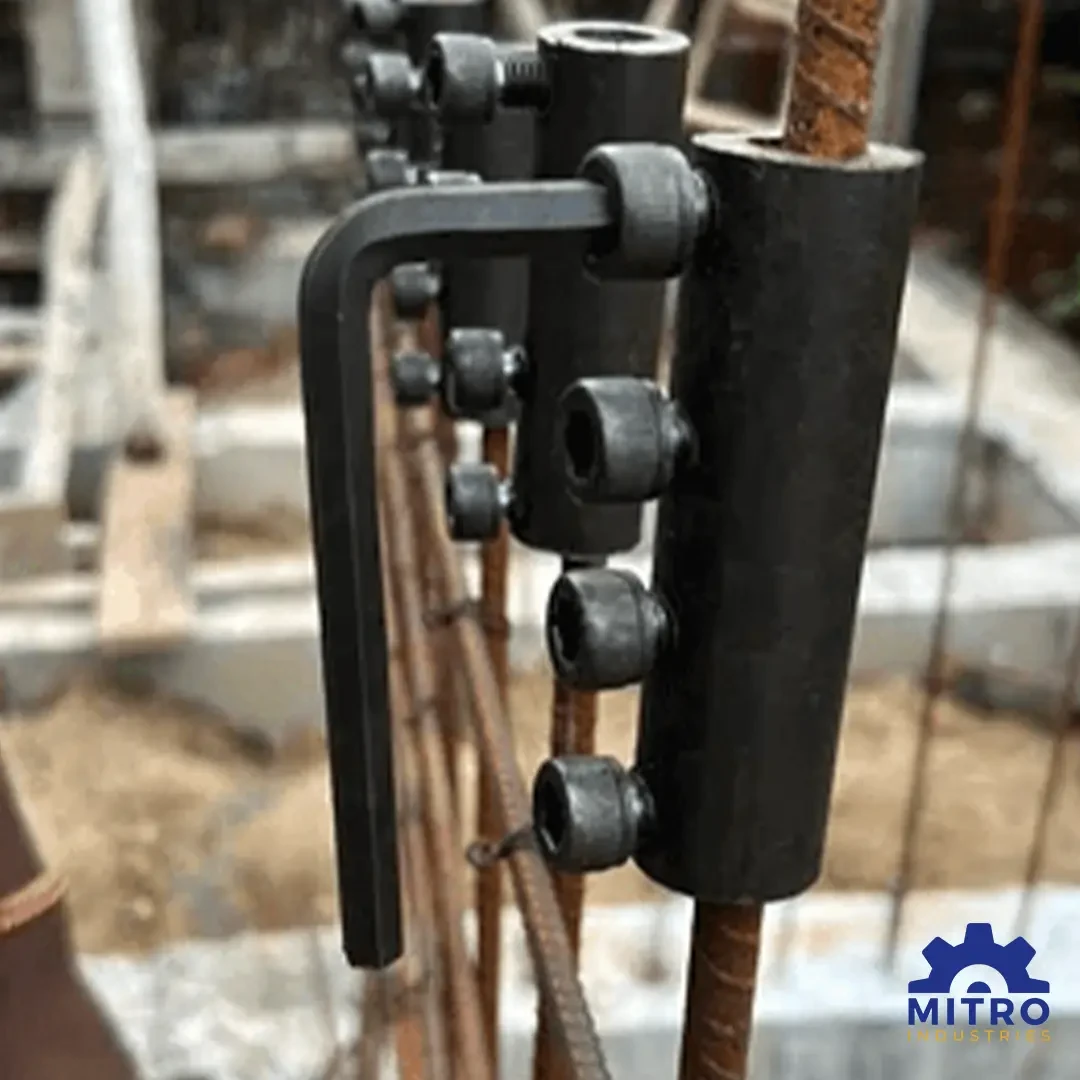
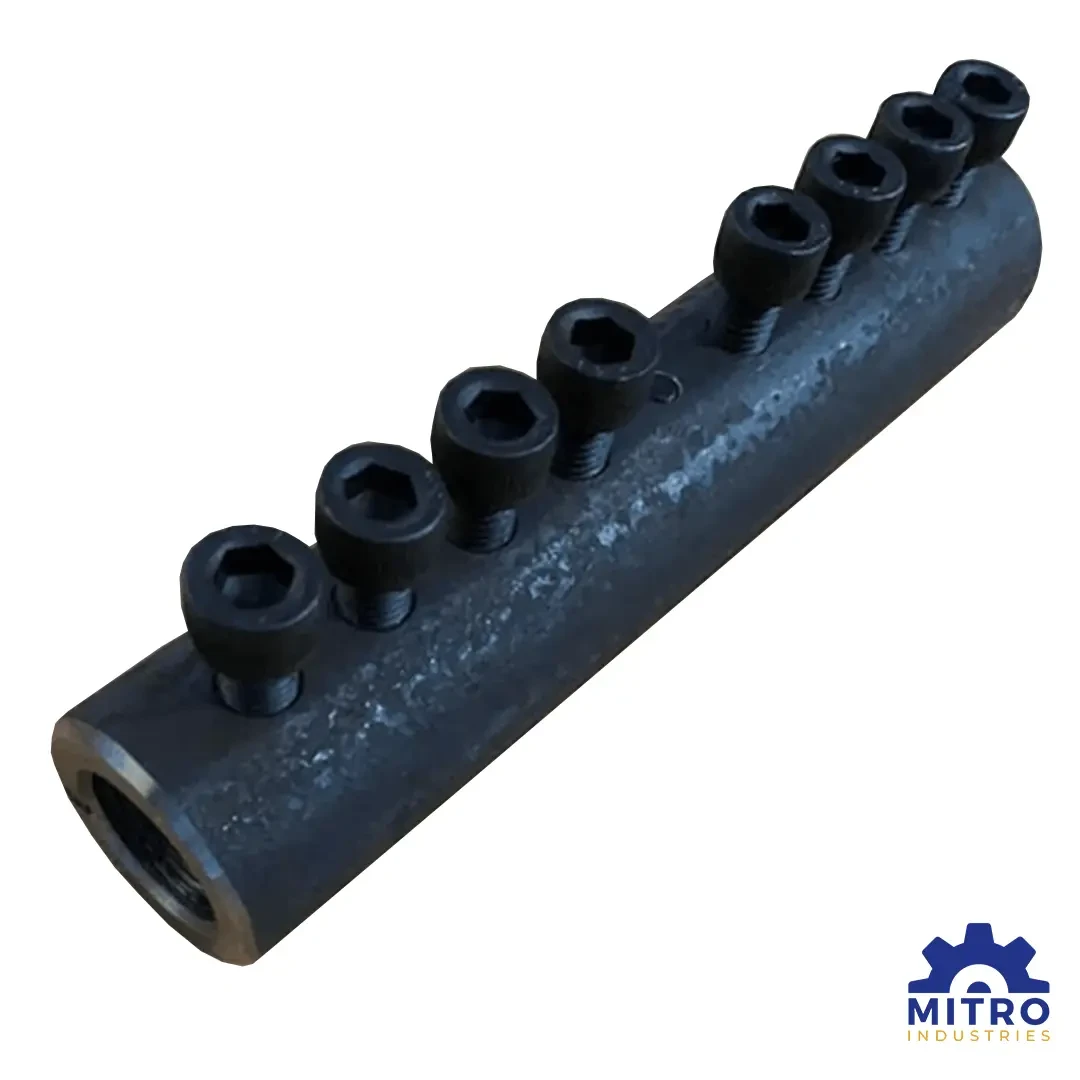
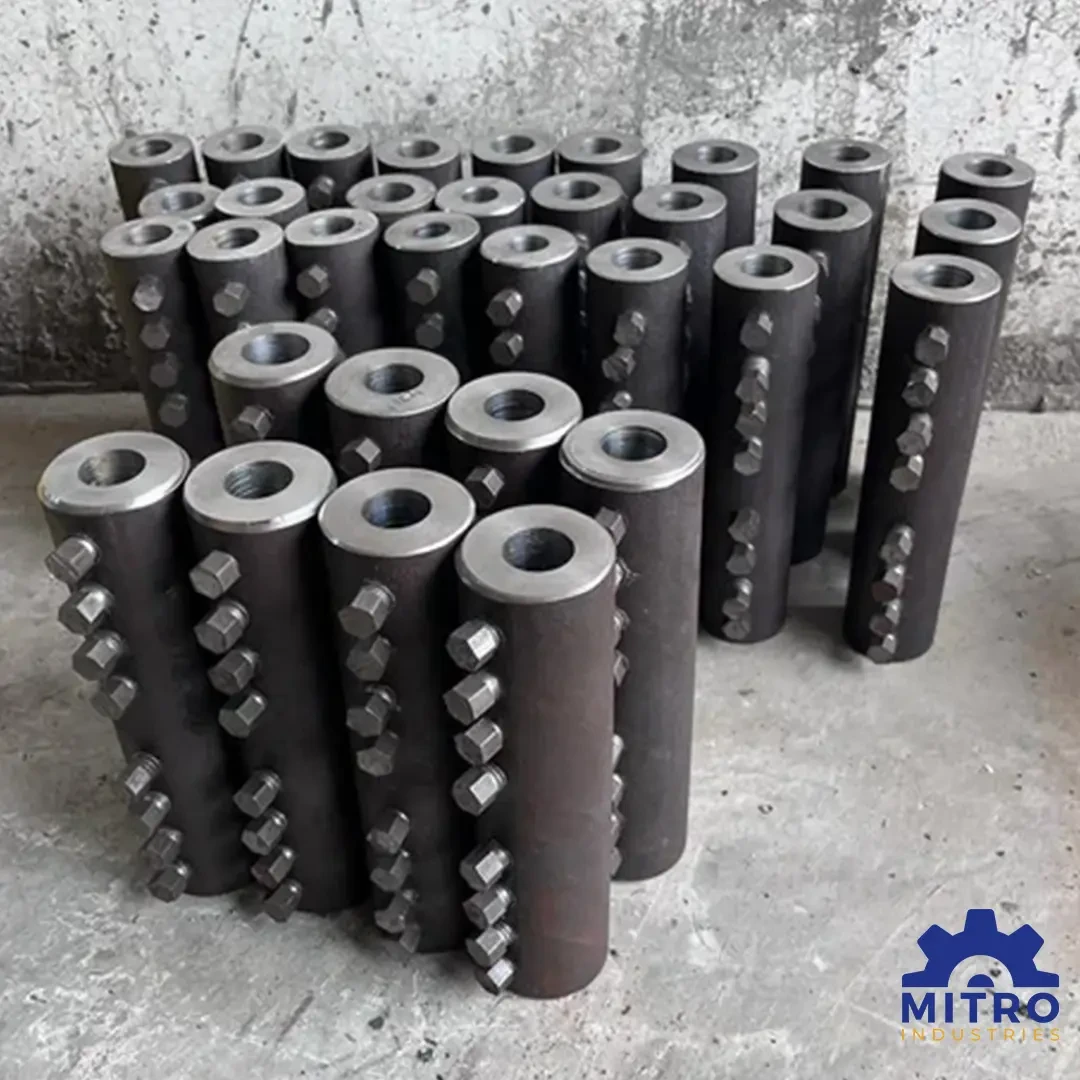
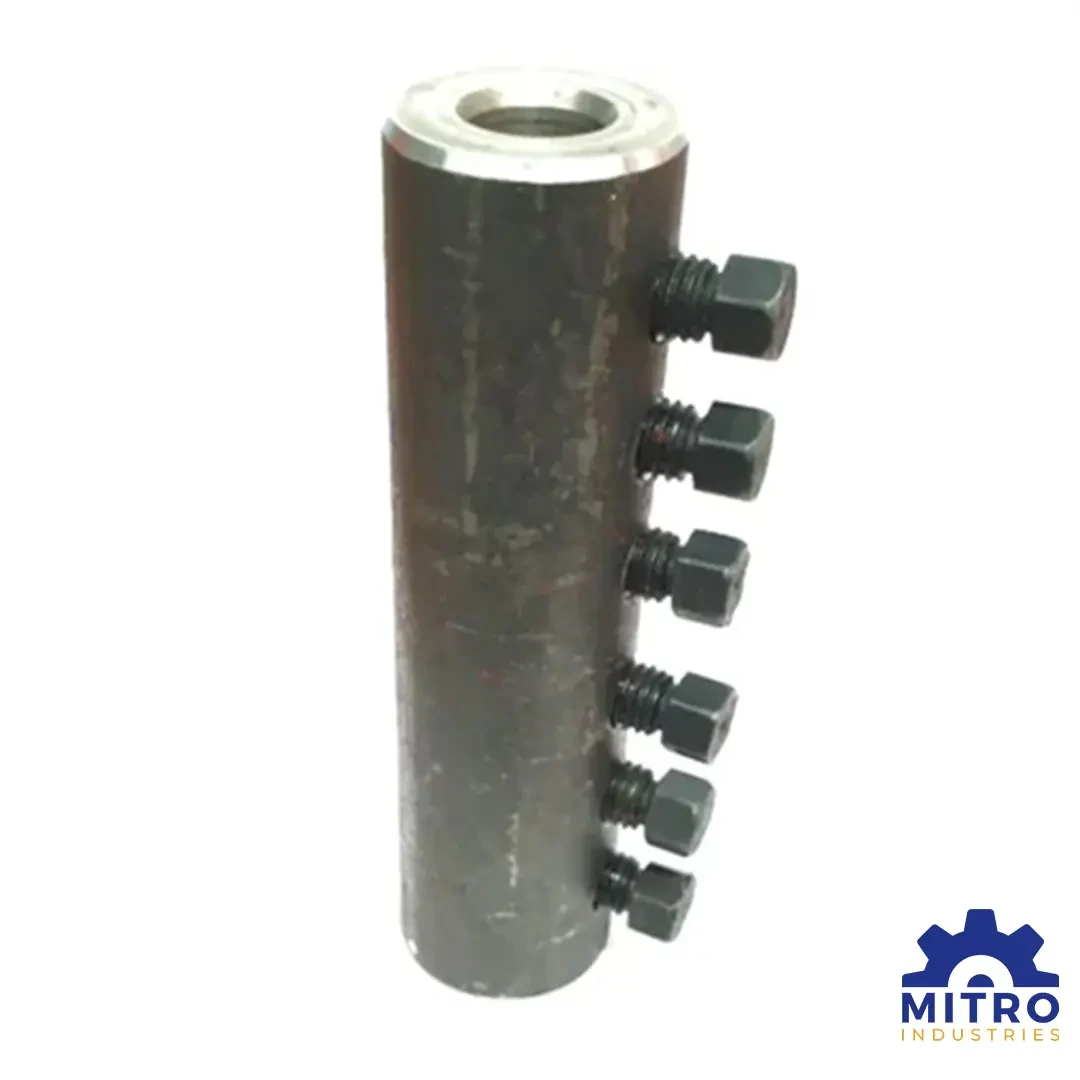
A rebar roll thread coupler is a mechanical device used to connect two reinforcing bars (rebars) by means of rolled threads. It is widely used in construction projects to ensure strong, continuous reinforcement without the need for overlapping bars (lap splicing).
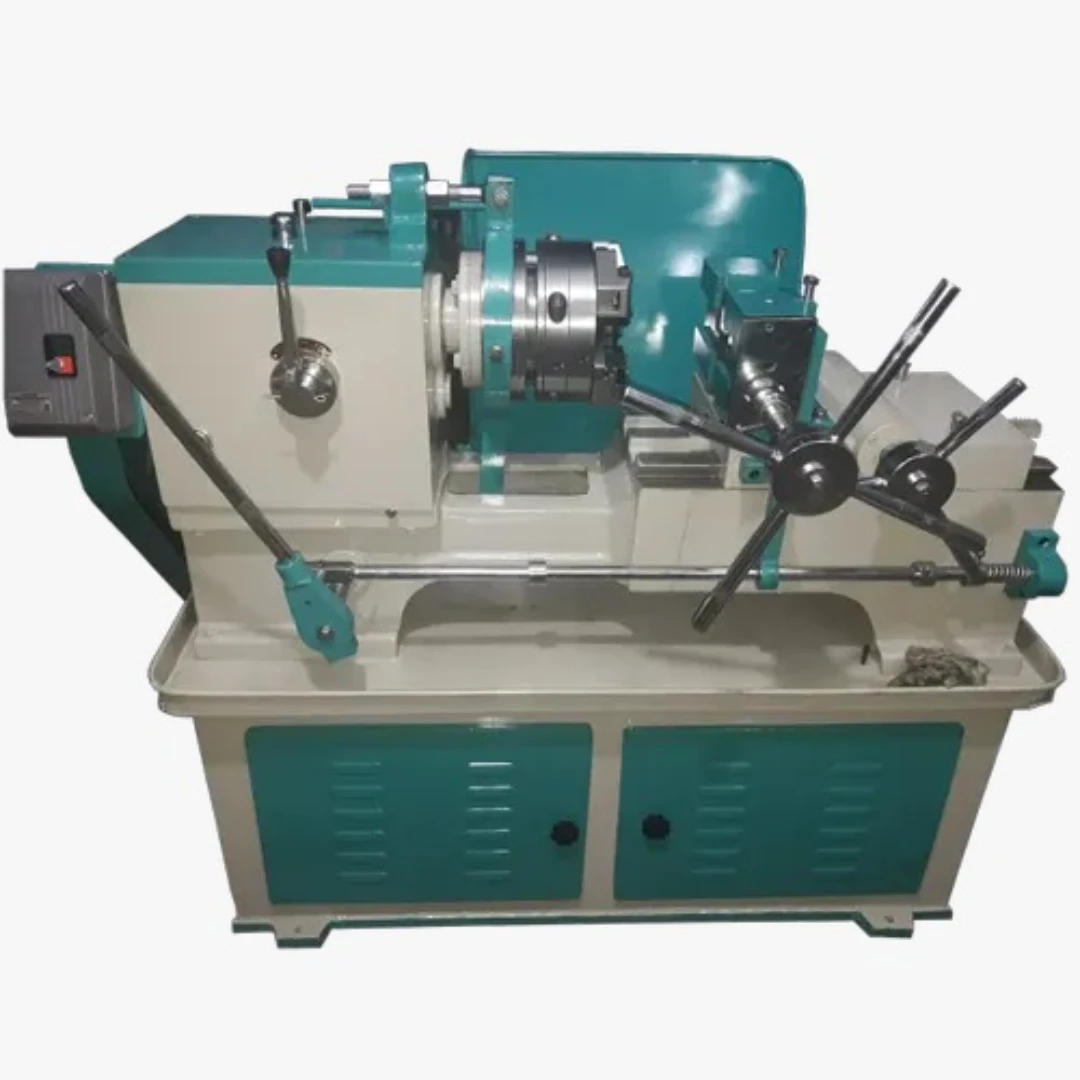
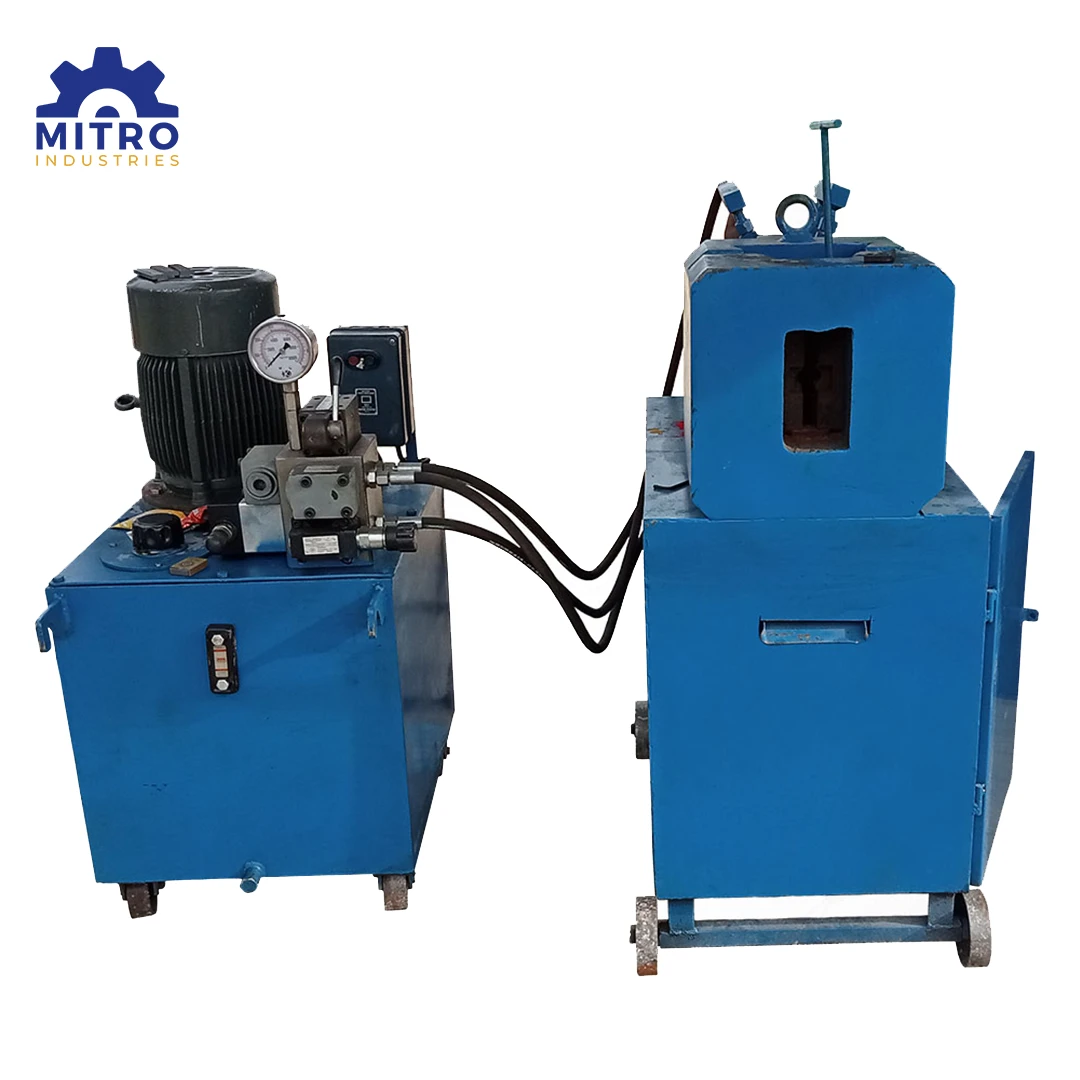
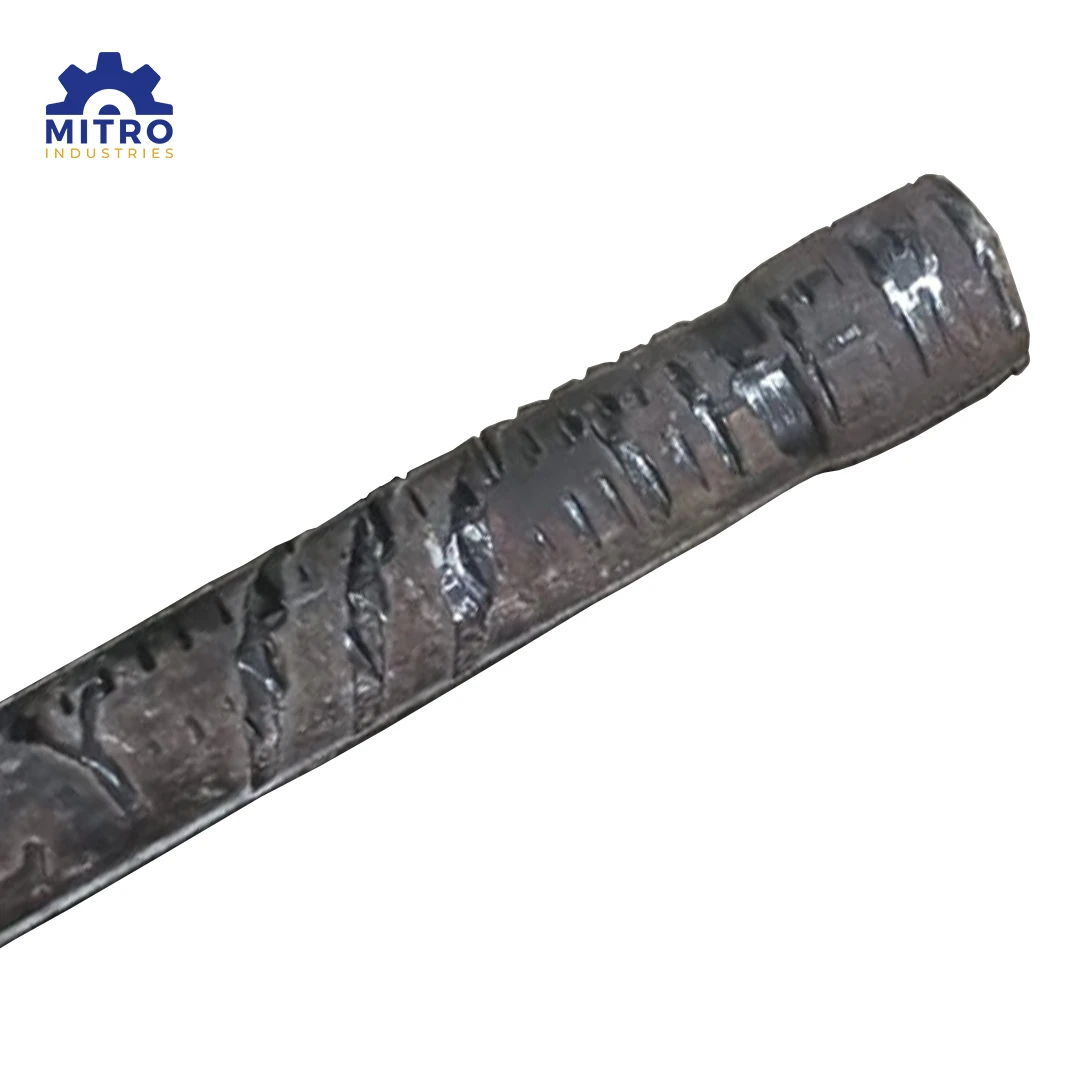
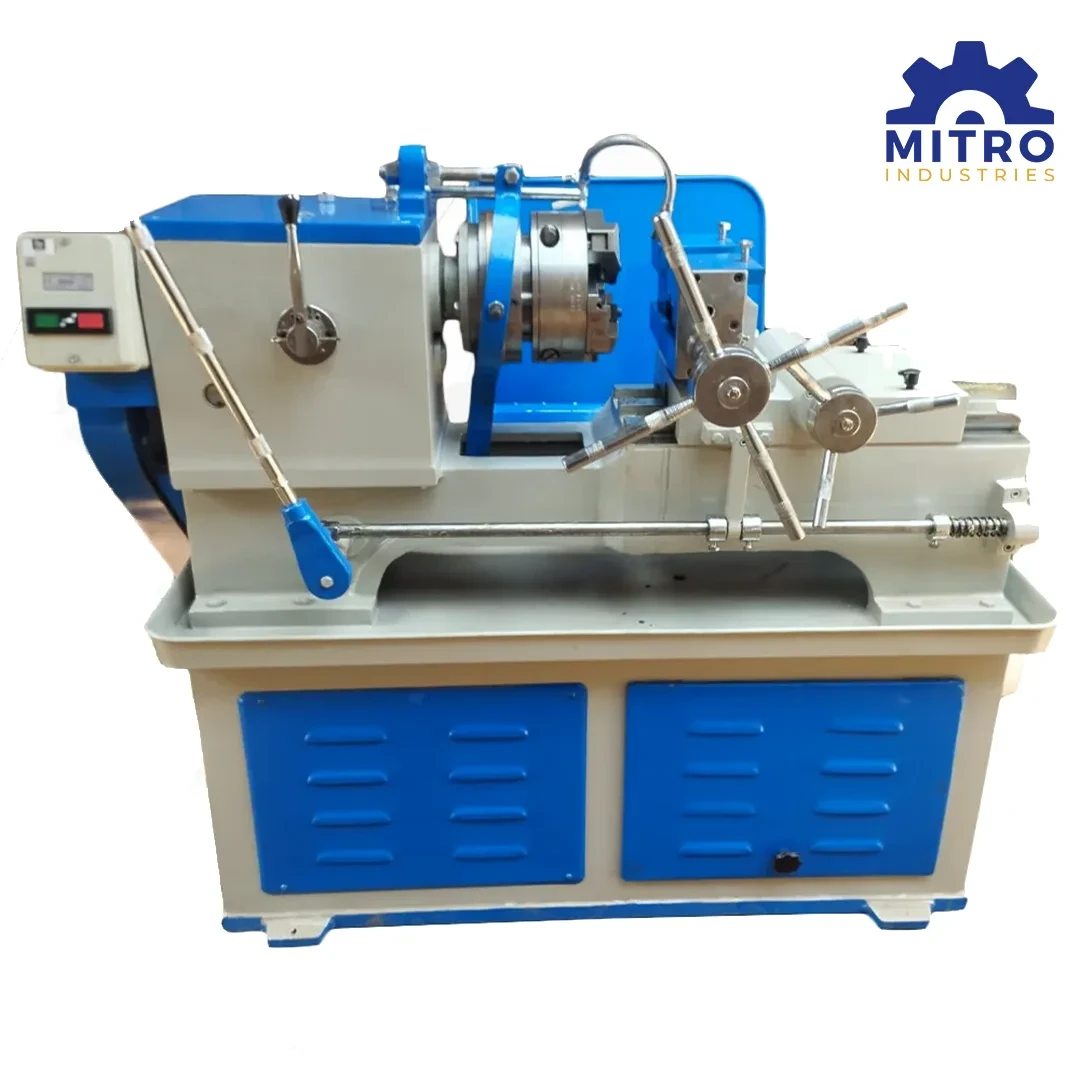
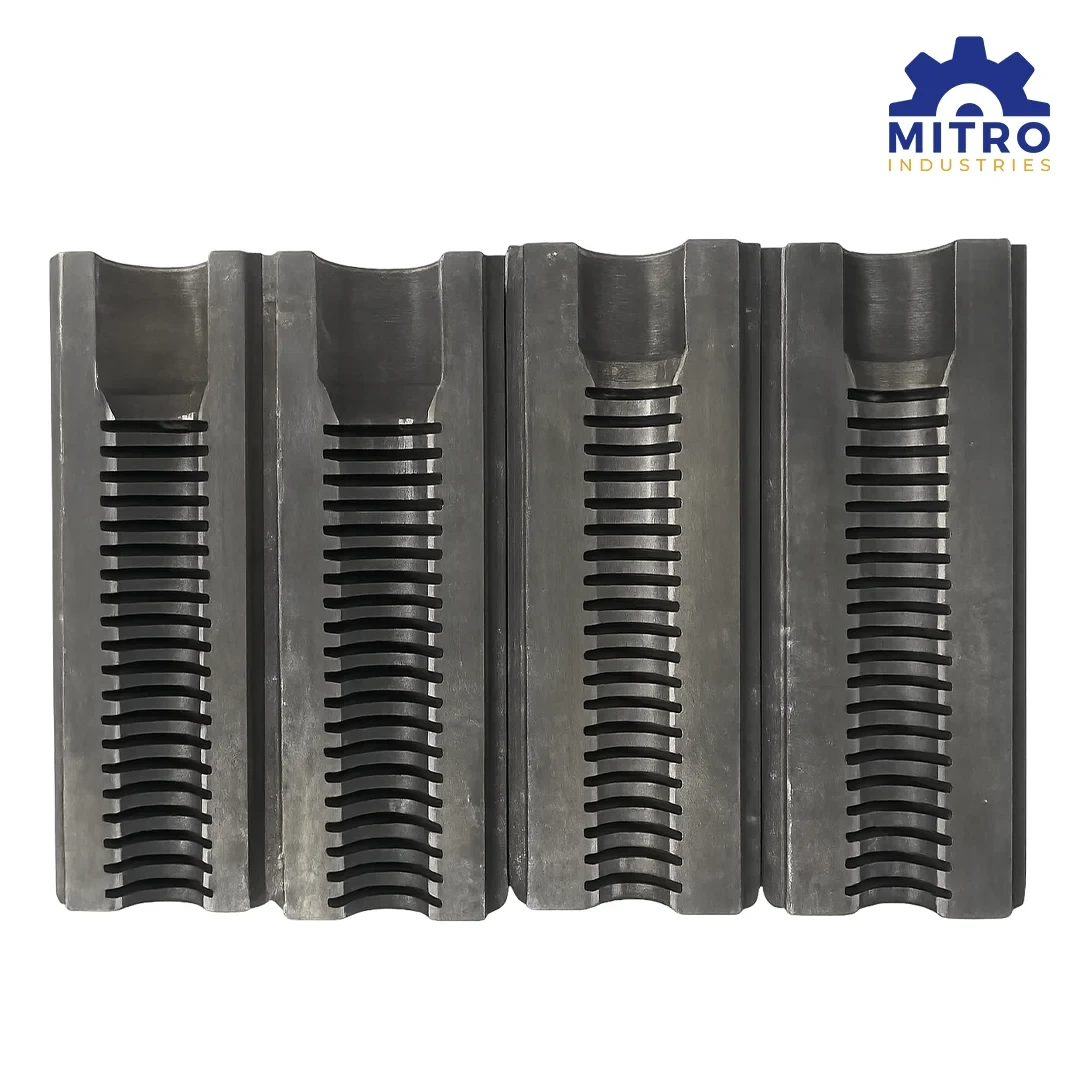
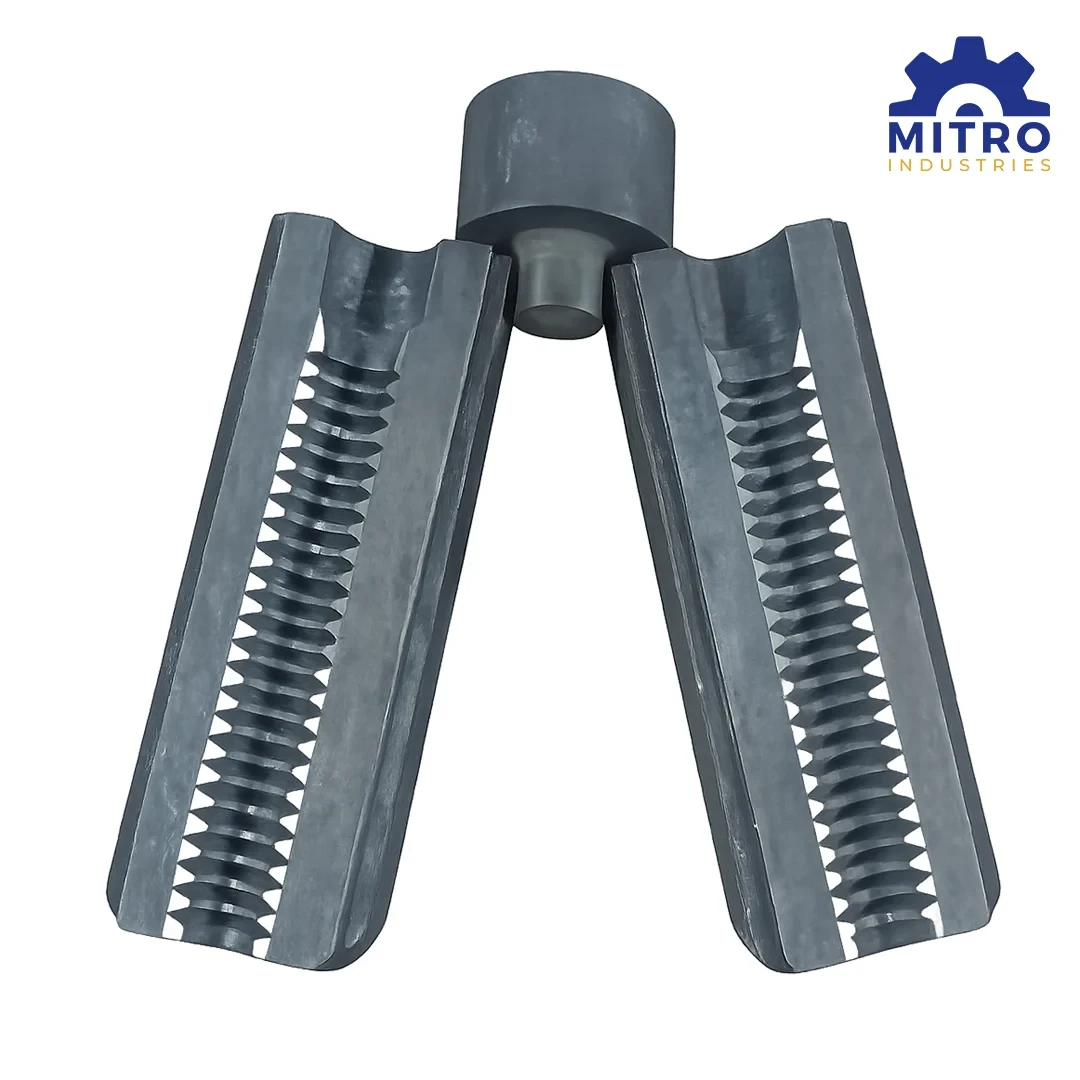
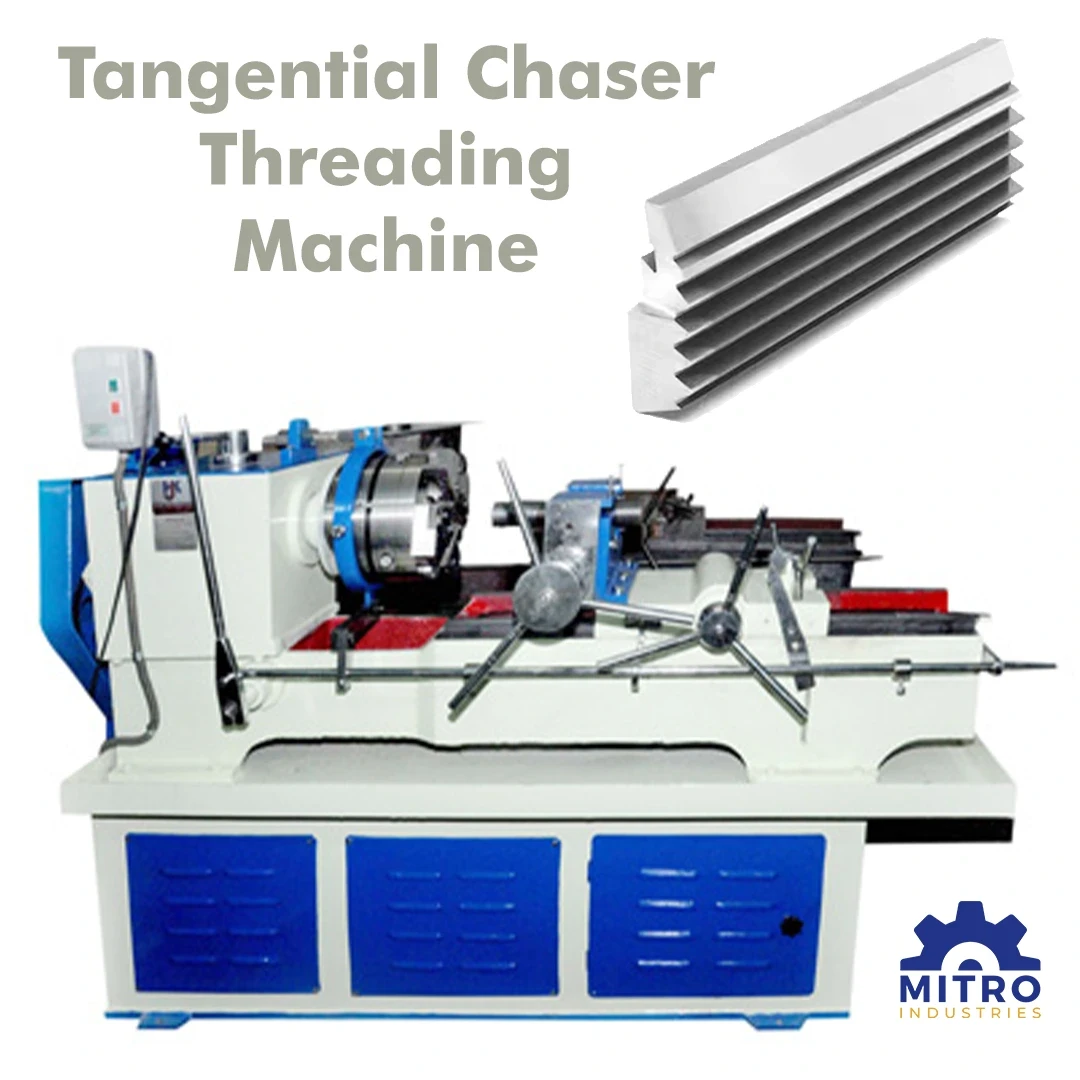
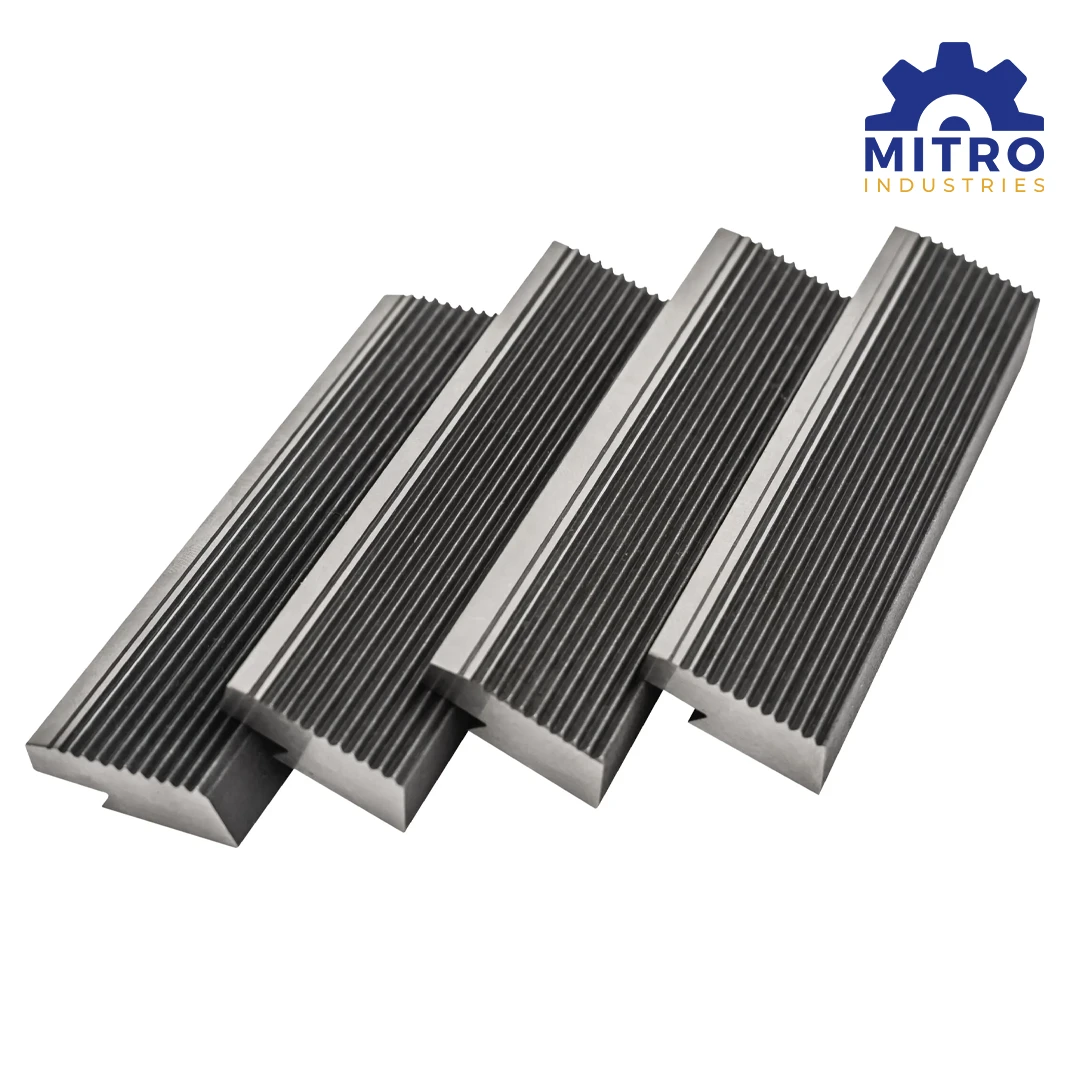
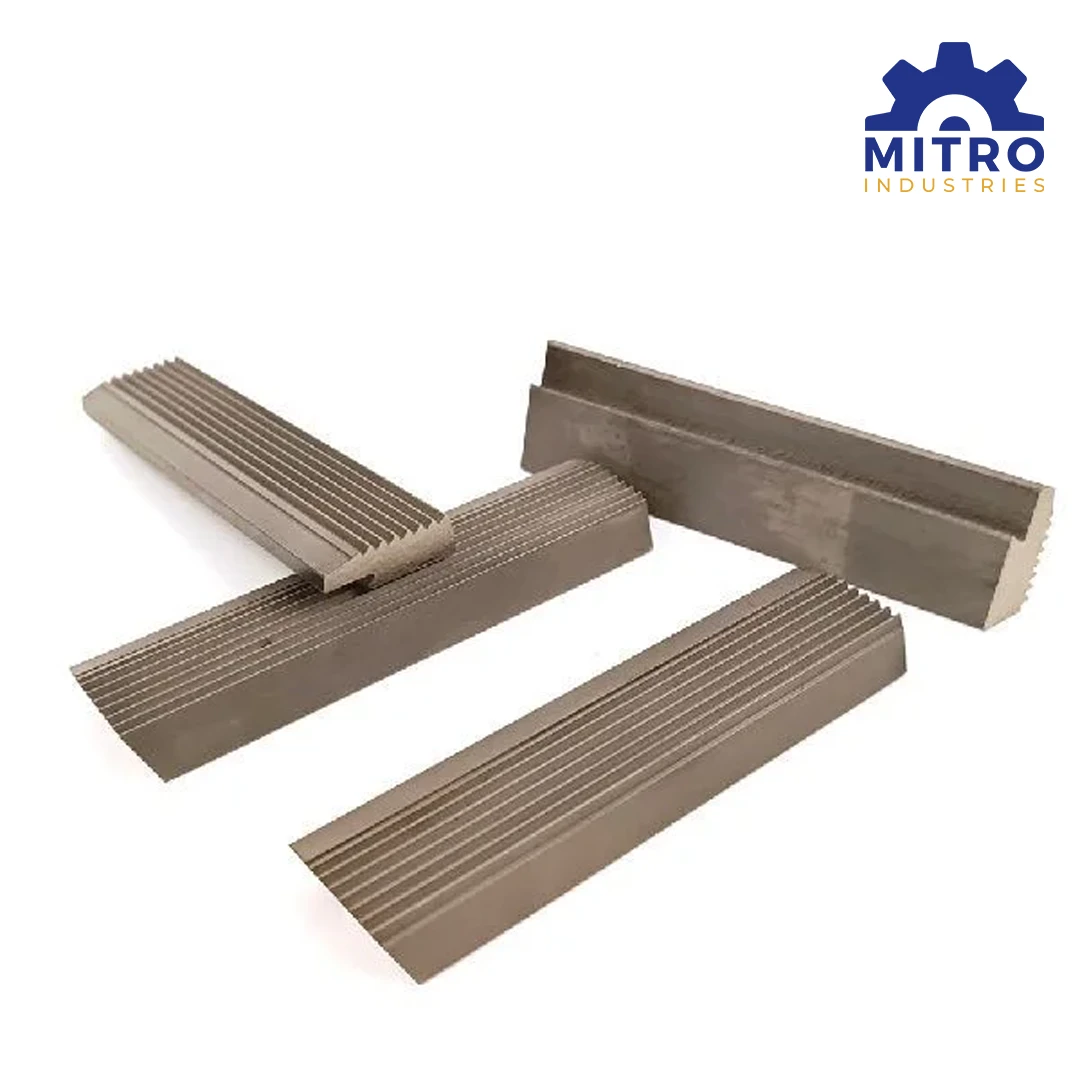
What is Roll Threading? Roll threading is a process in which threads are created on the ends of rebars by pressing them between hardened steel dies. Unlike cutting threads, this process strengthens the steel by maintaining its grain structure and increasing surface hardness.
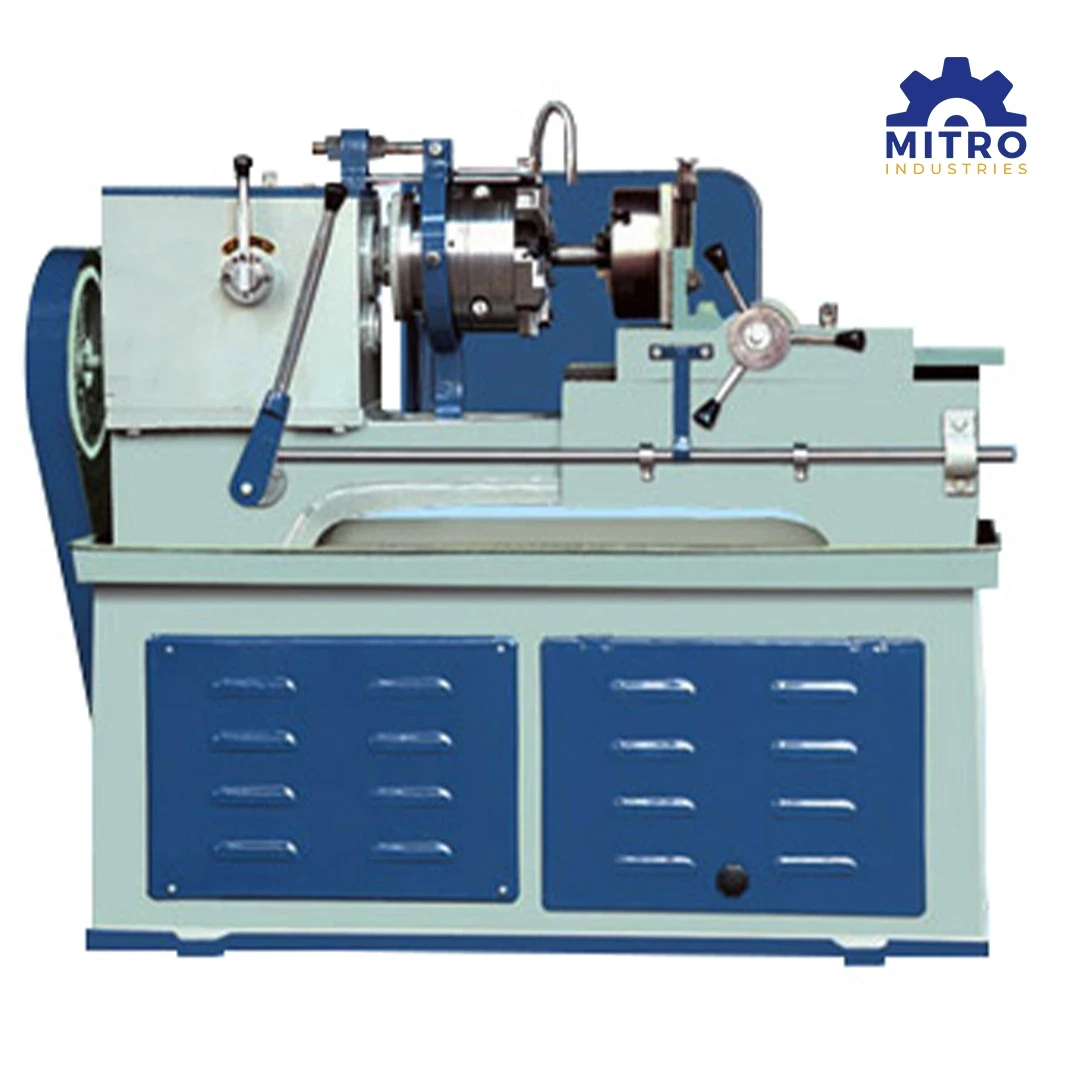
How Rebar Roll Thread Couplers Work In this system, the ends of rebars are first prepared and threaded using a roll threading machine. A coupler—typically made of high-strength steel—is then screwed onto the threaded ends of two rebars, joining them securely.
Key Features
High Strength Connection - Provides a full-strength joint that can match or exceed the strength of the parent rebar.
No Material Loss - Since threads are rolled instead of cut, the bar retains its original diameter and strength.
Consistency - Offers uni perance with reduced chances of human error.
Ease of Installation - Simple threading and coupling process saves time on-site.
Advantages
Eliminates Lap Splicing - Reduces congestion in heavily reinforced areas.
Material Savings - Decreases steel consumption by avoiding long overlap lengths.
Improved Structural Integrity - Ensures better load transfer between rebars.
Faster Construction - Speeds up installation compared to traditional methods.
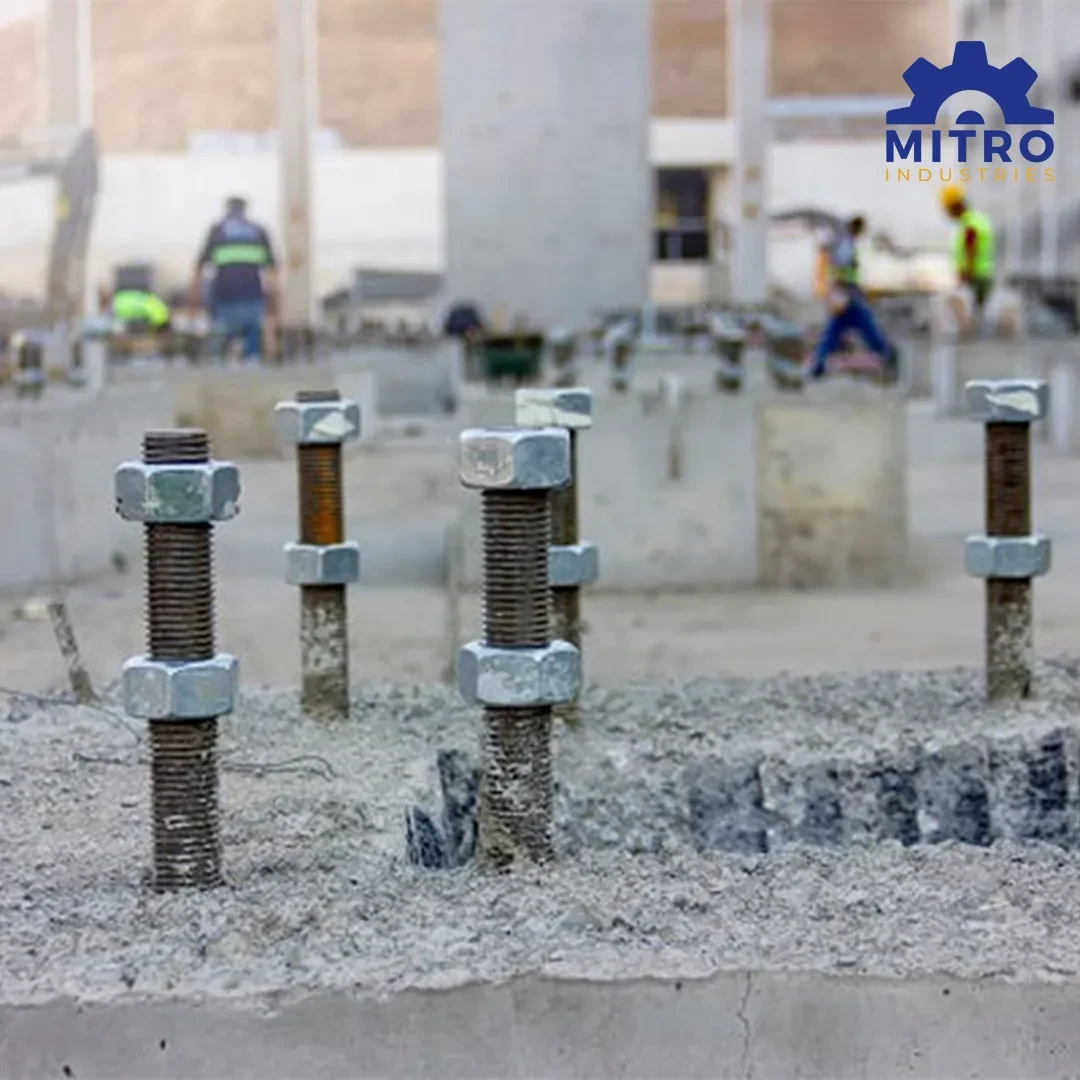
ApplicationsRebar roll thread couplers are commonly used in
High-rise buildings
Bridges and flyovers
Dams and tunnels
Industrial structures
Infrastructure and metro rail projects
Rebar roll thread couplers are an efficient and reliable solution for connecting reinforcement bars in modern construction. Their ability to provide strong, consistent joints while reducing material usage makes them a preferred choice for engineers and contractors aiming for durability and cost-effectiveness.