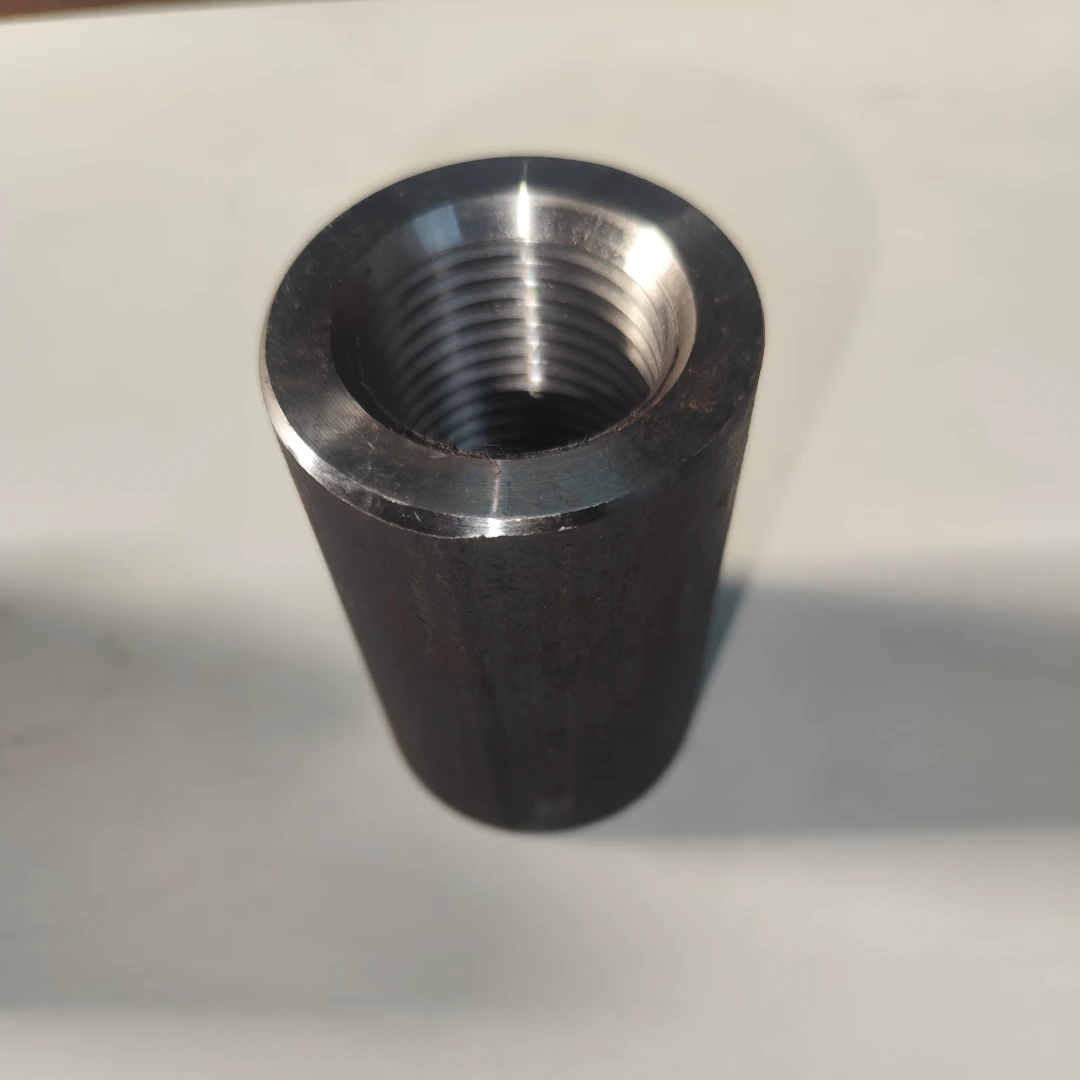
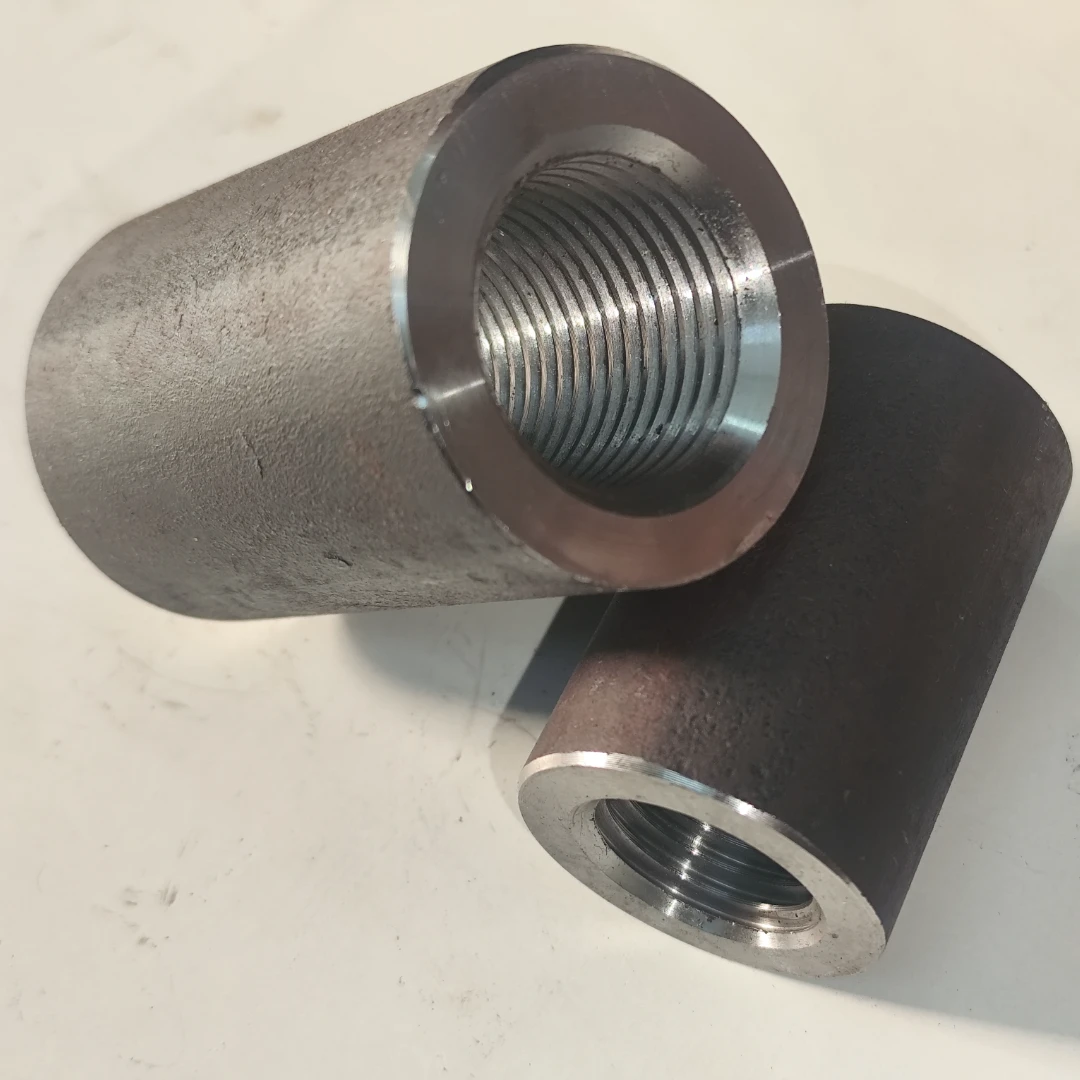
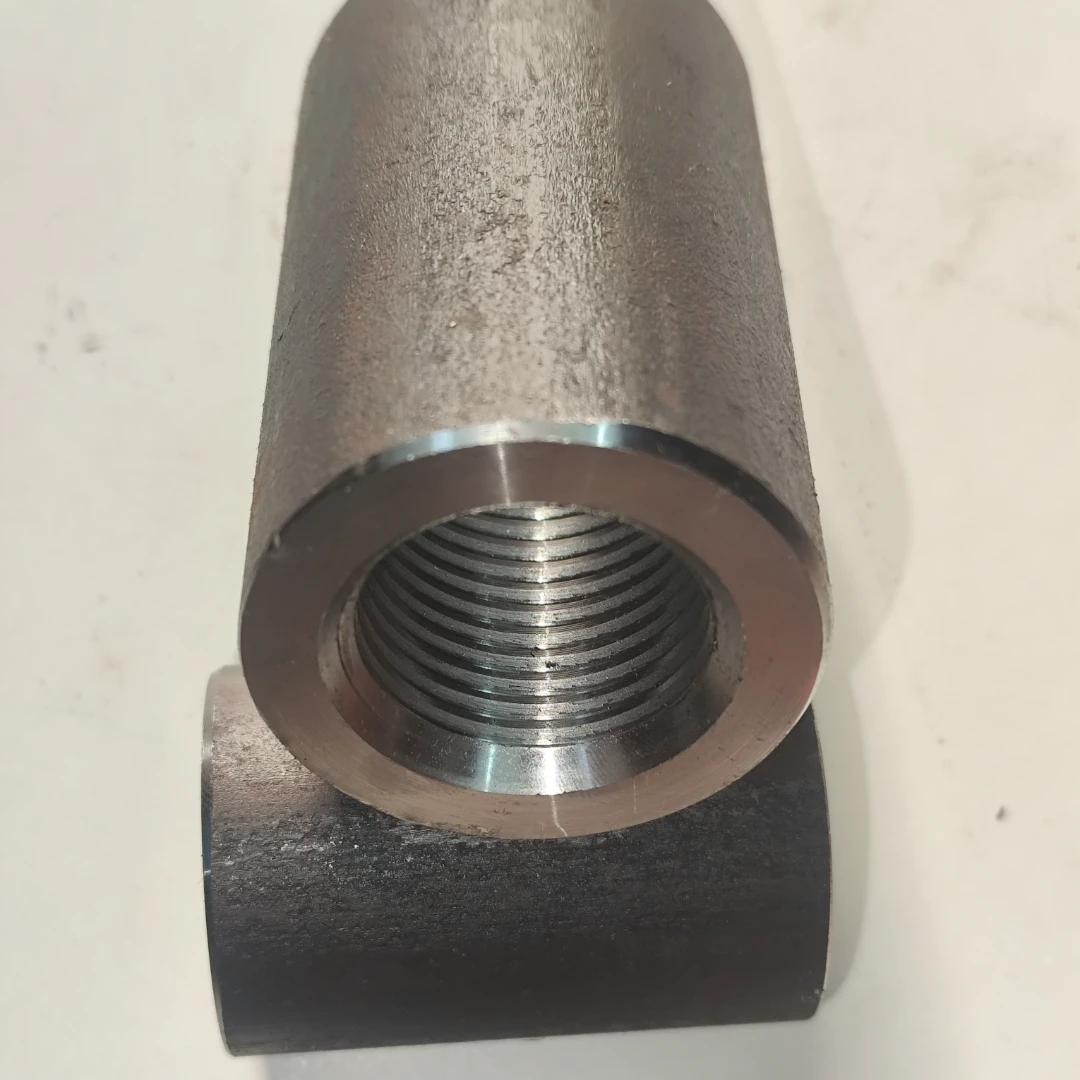
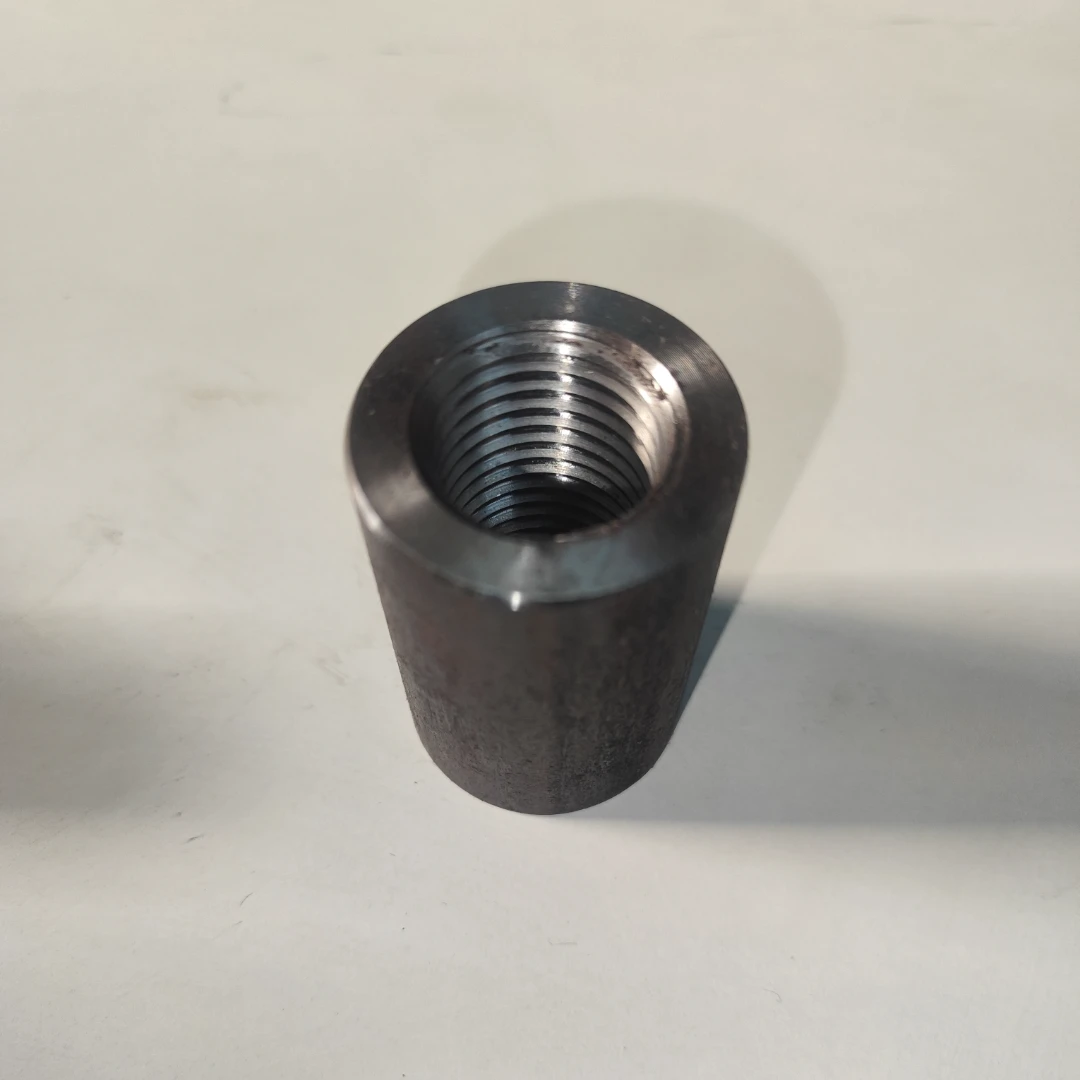
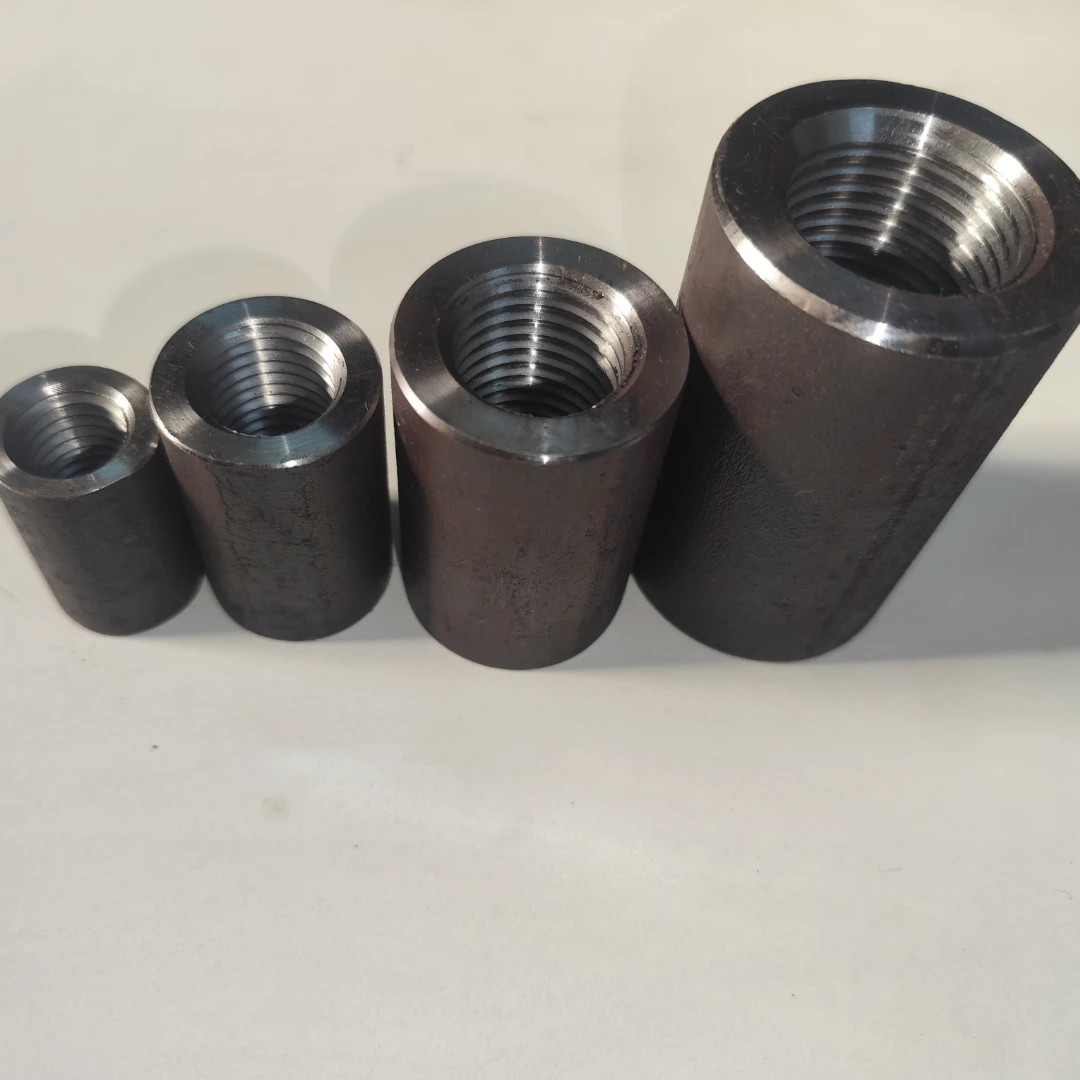
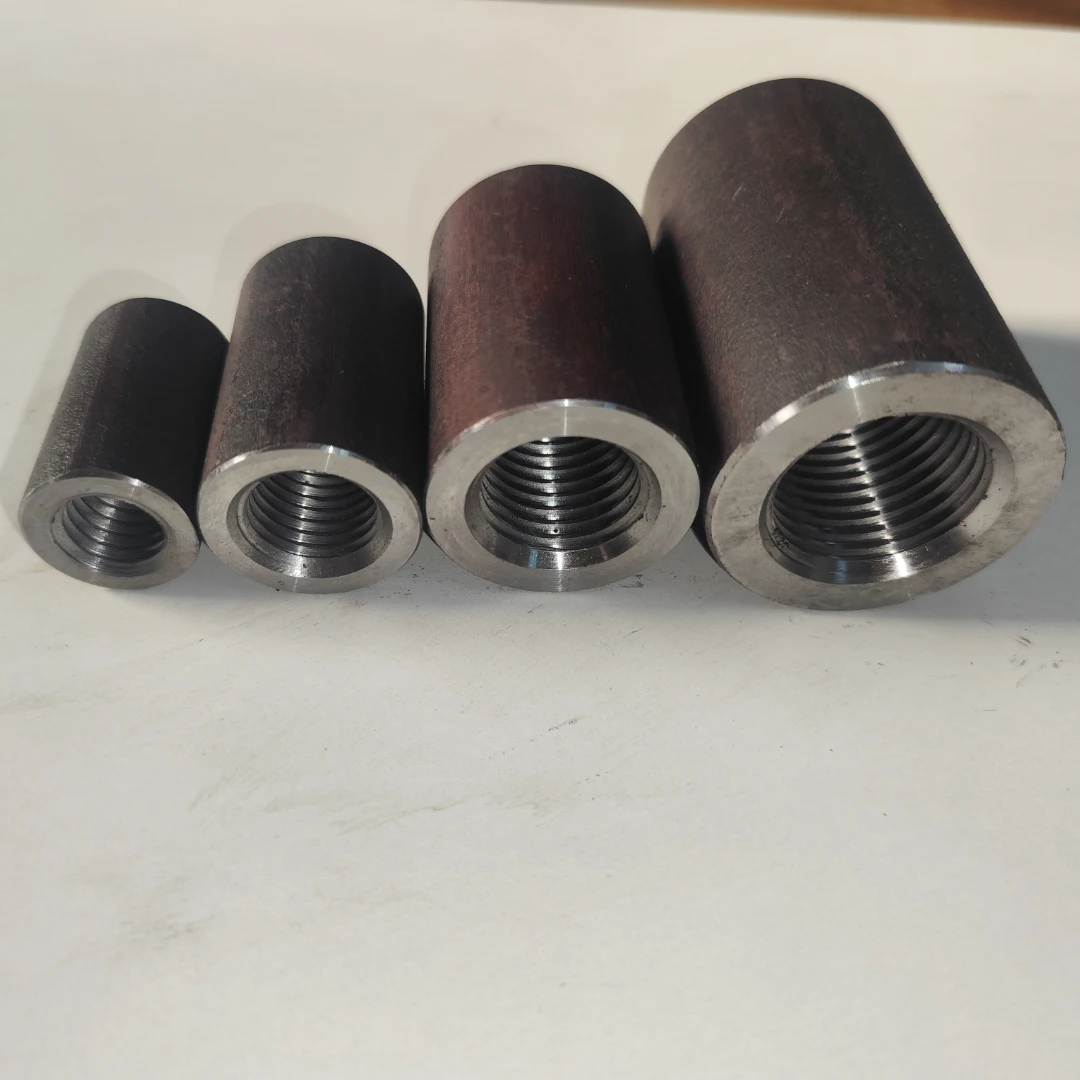
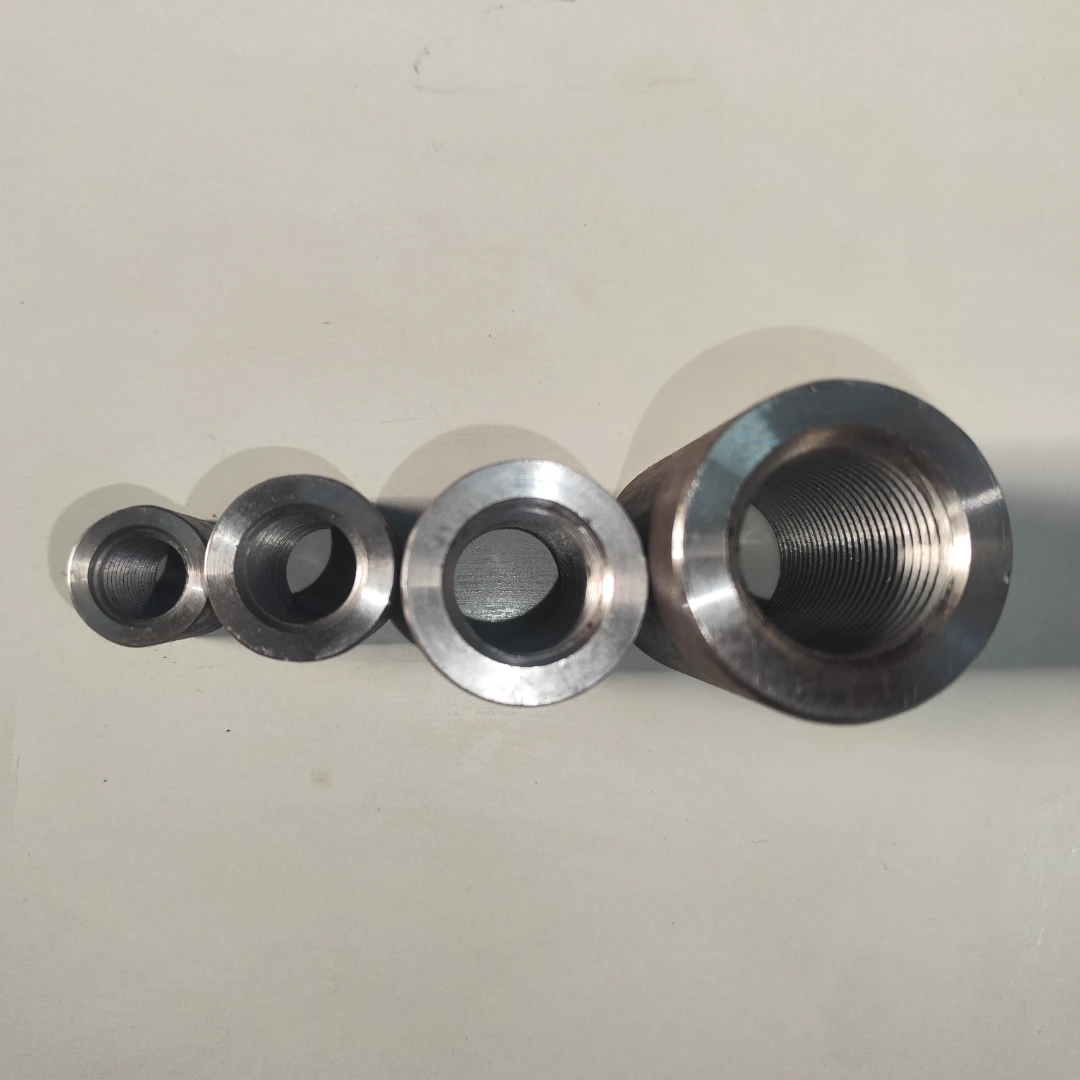
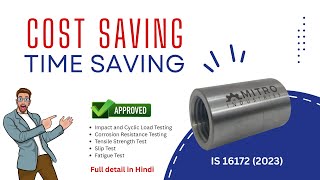
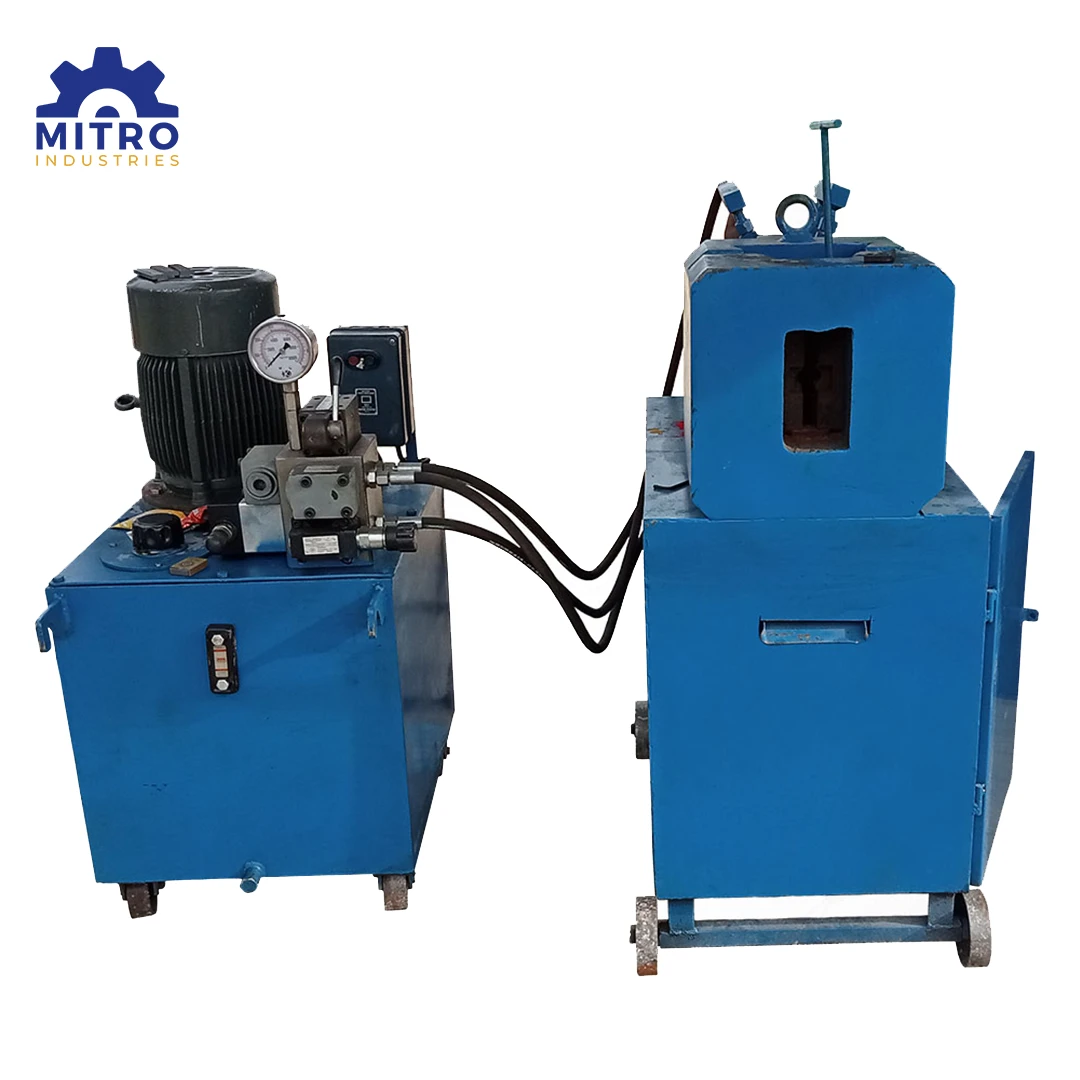
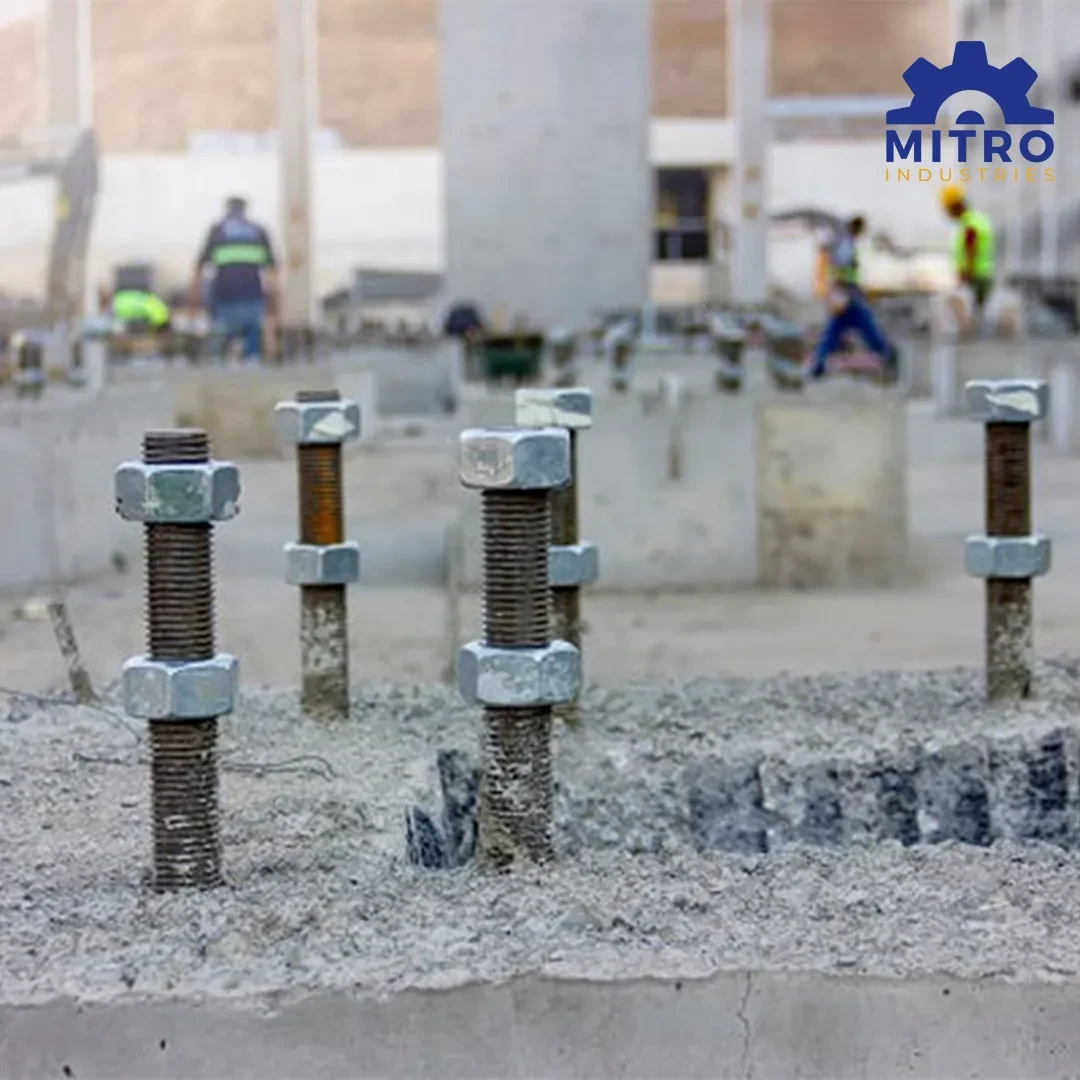
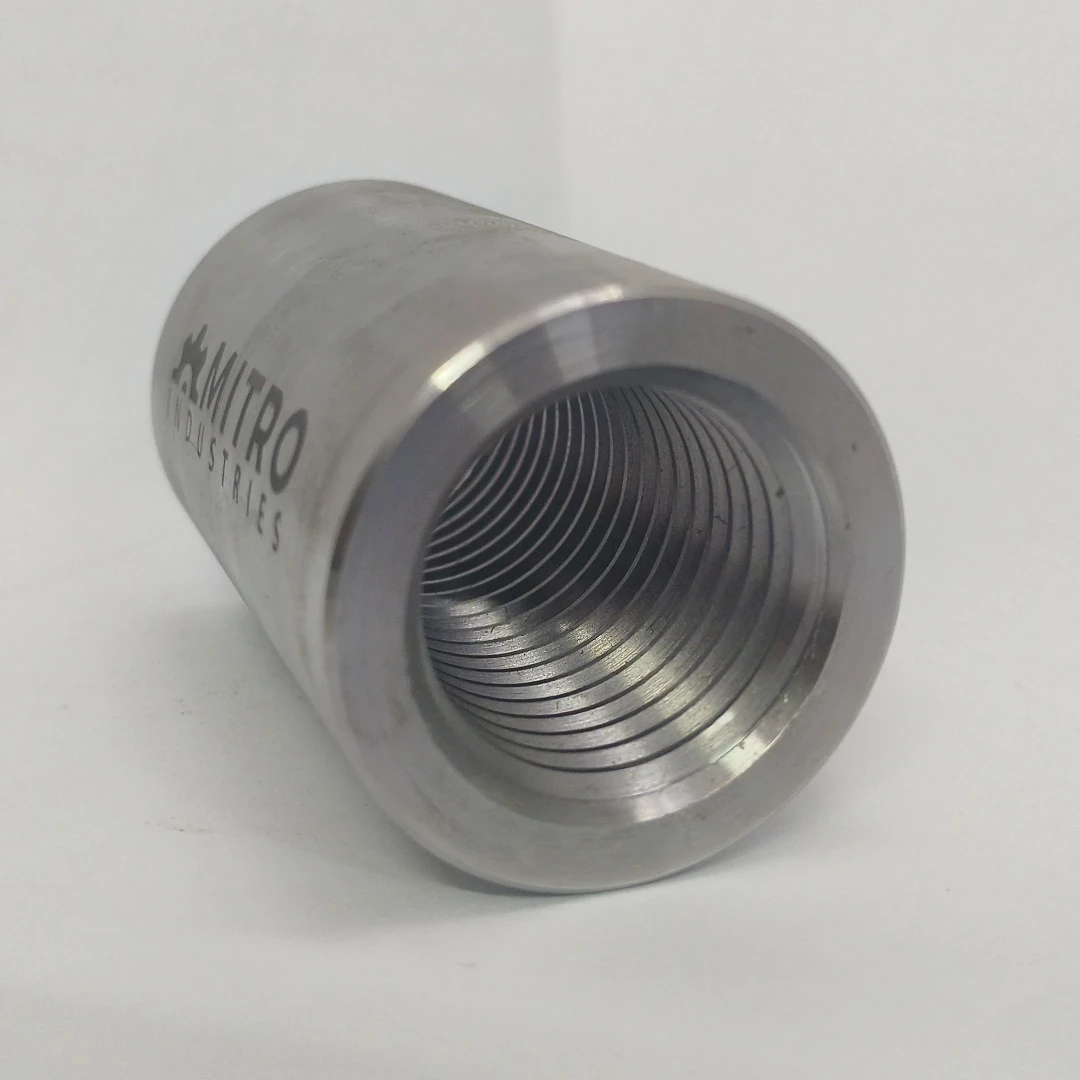
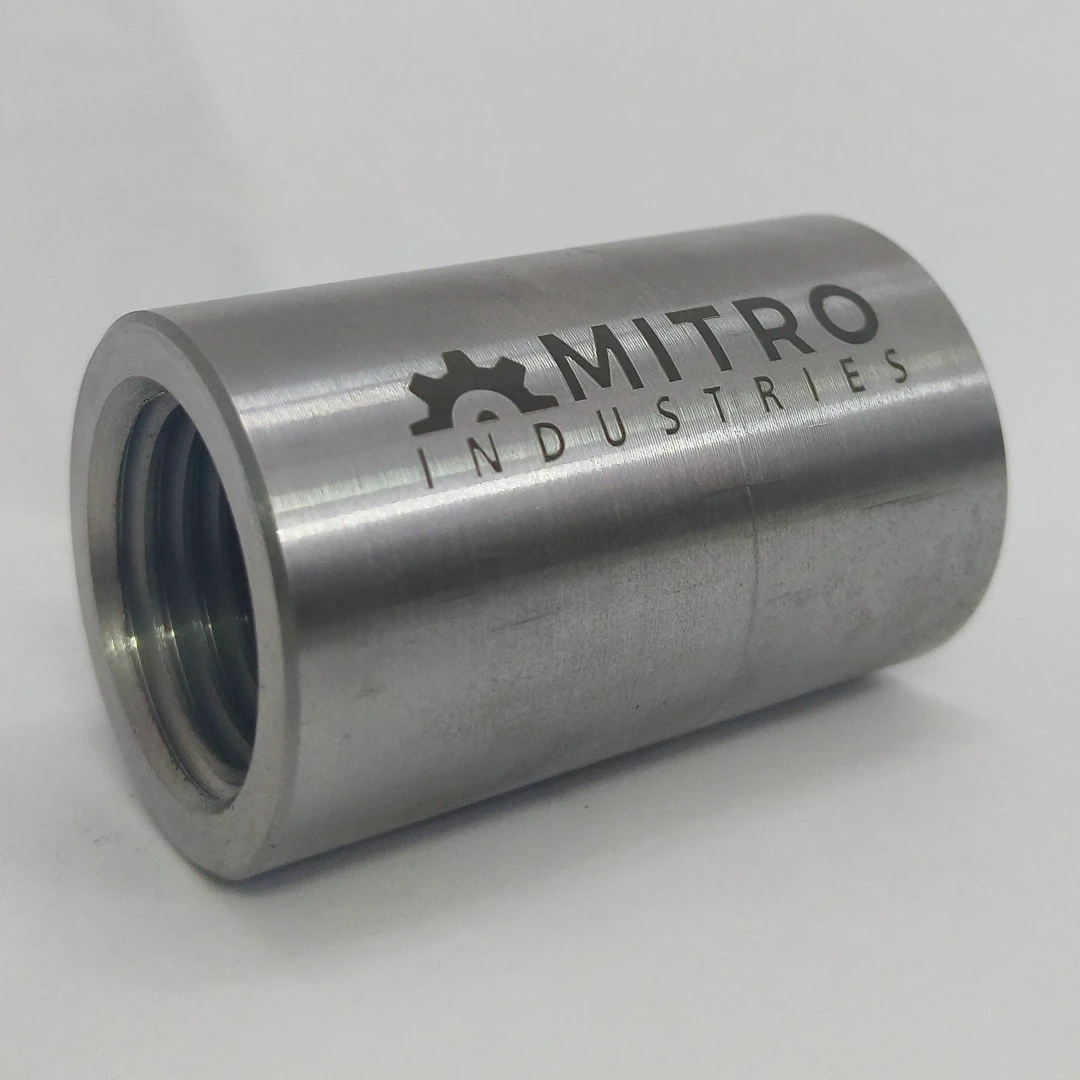
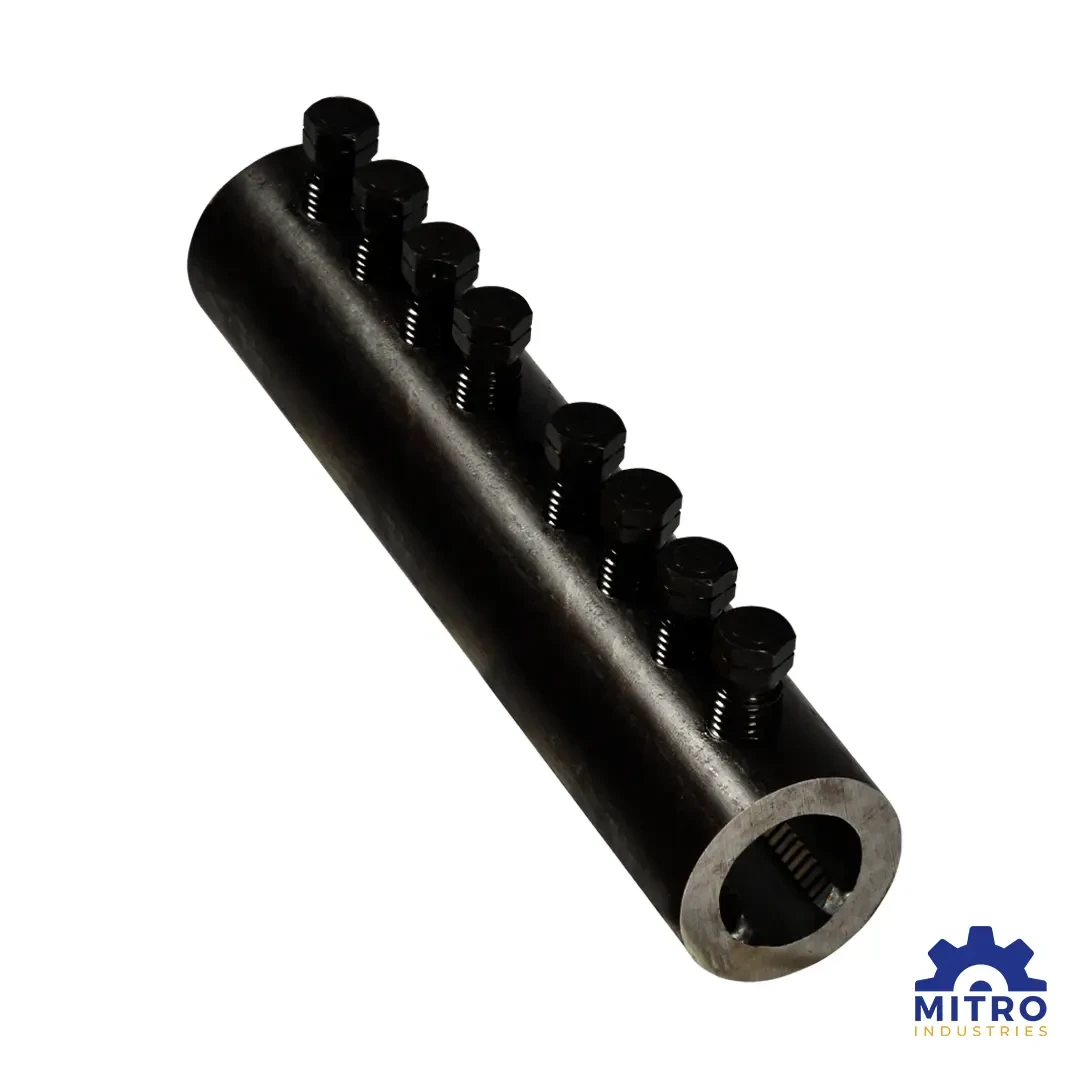
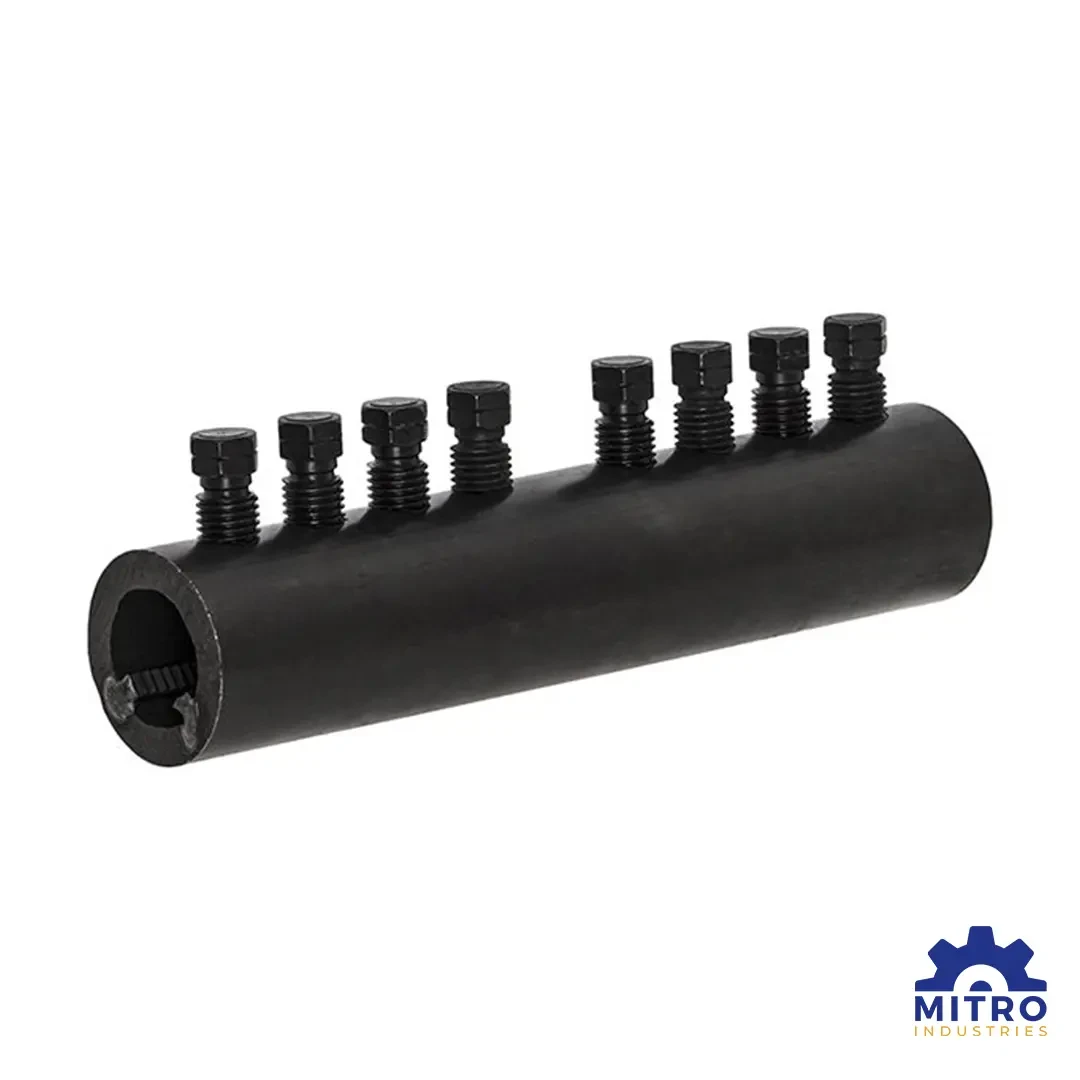
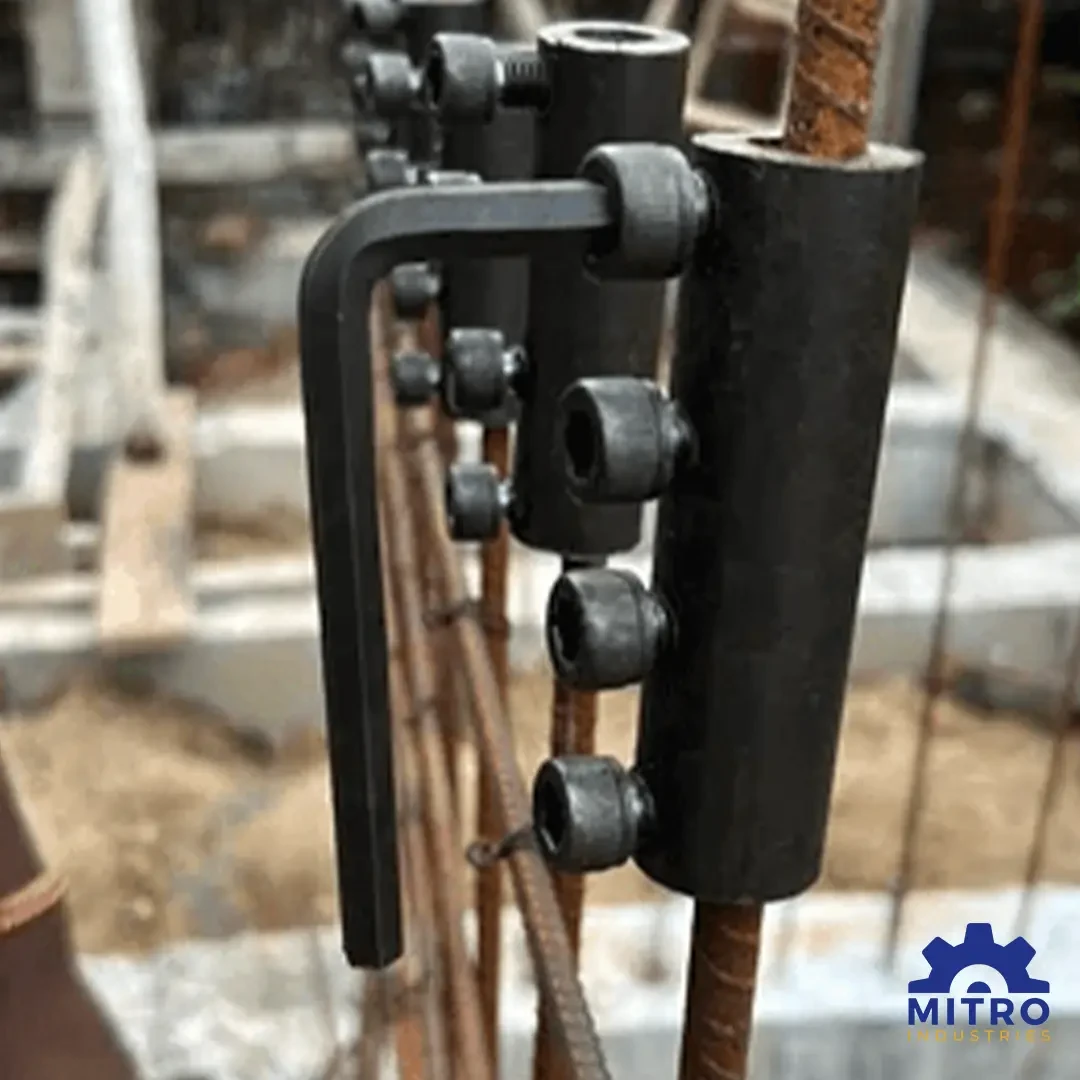
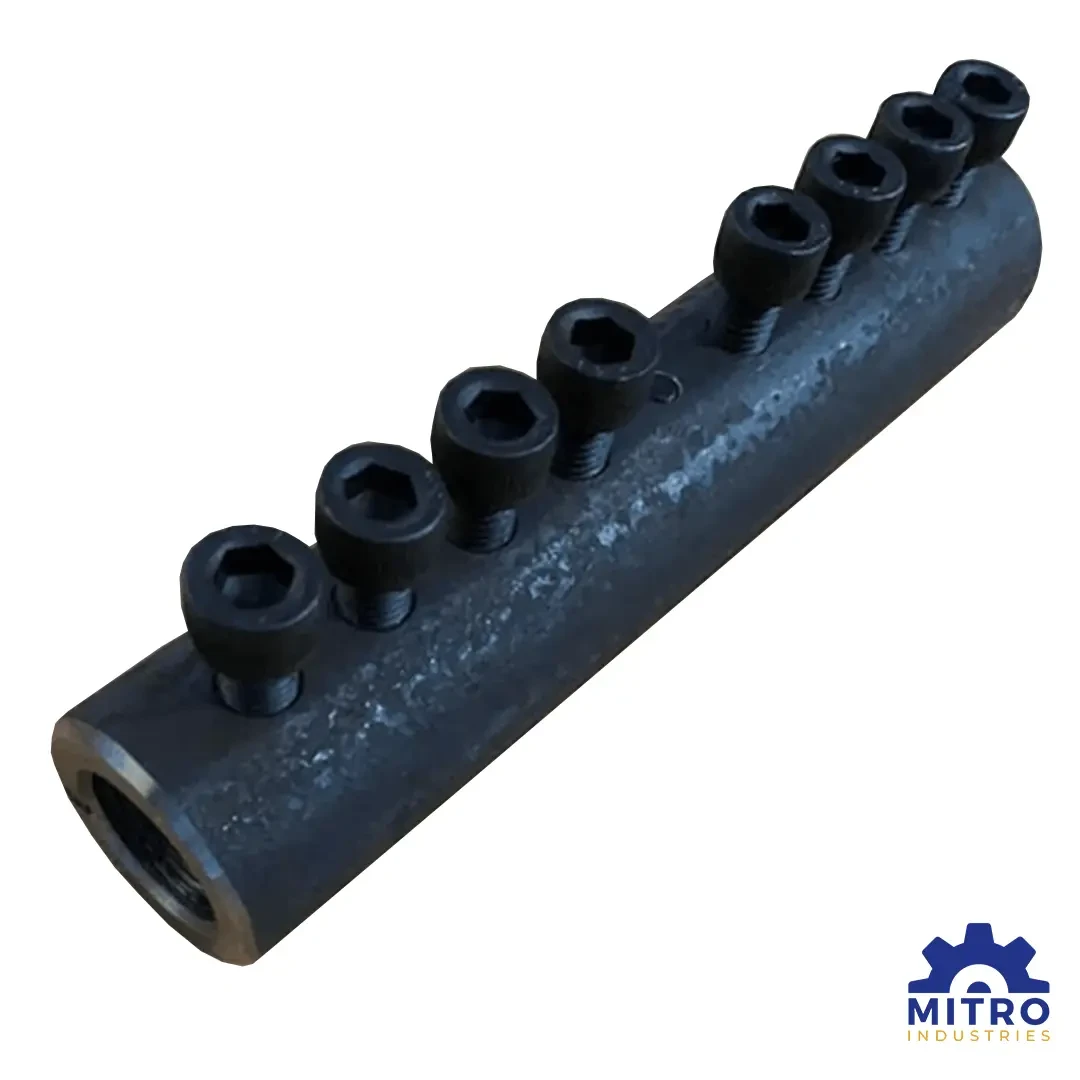
A rebar roll thread (roll-tech) coupler by Mitro Industries is a mechanical device used to connect two TMT (Thermo-Mechanically Treated) bars end-to-end, ensuring continuity of reinforcement
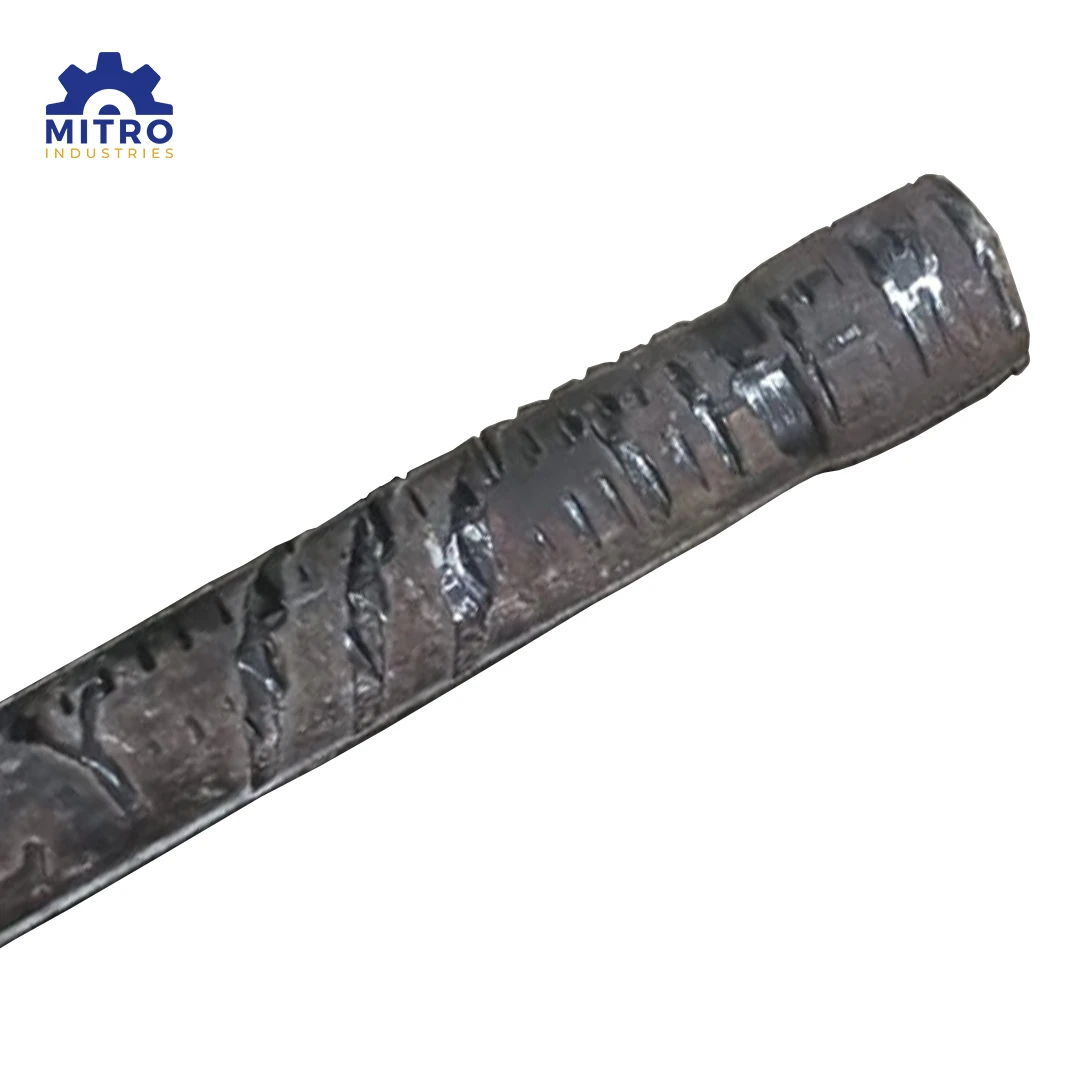
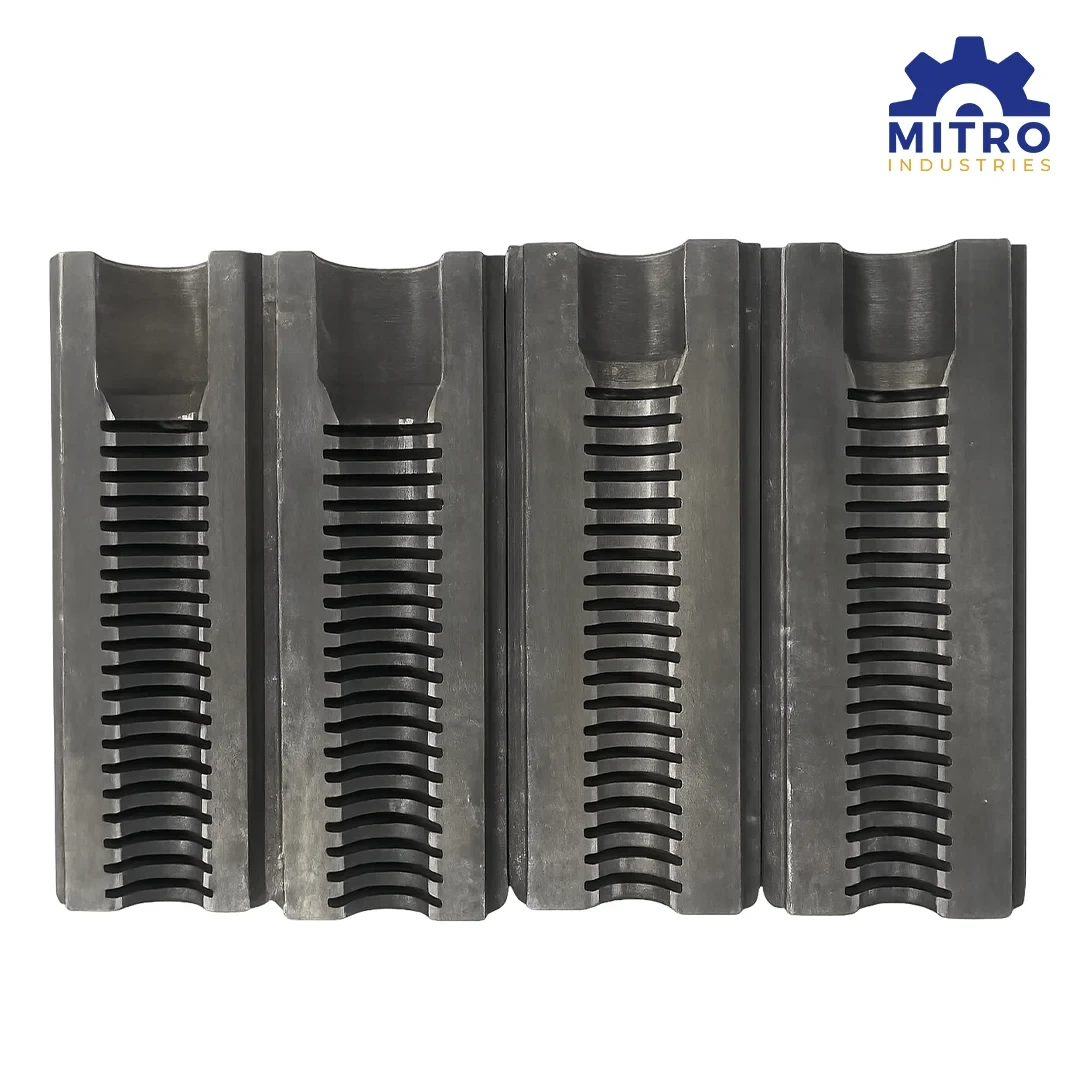
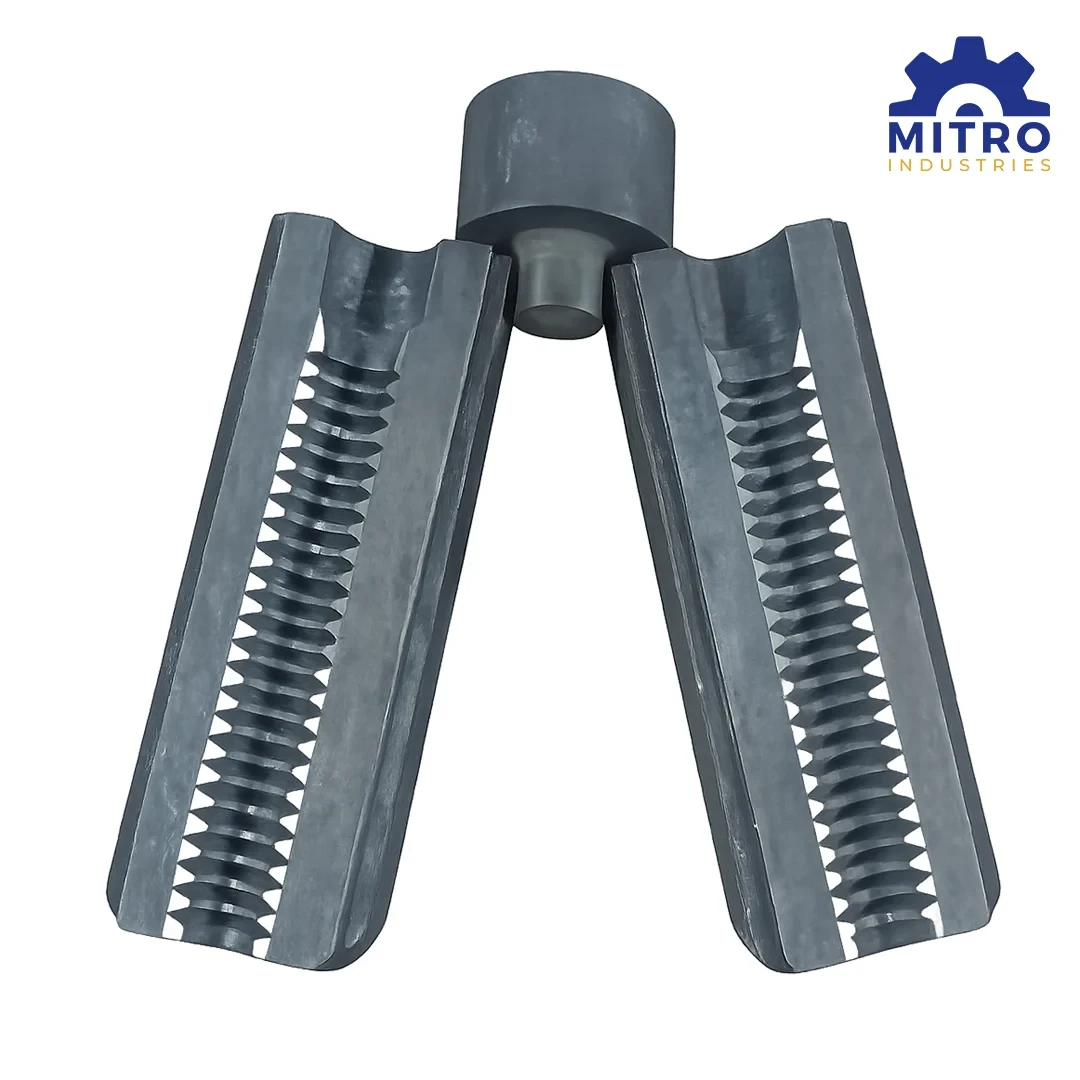
The roll thread (roll-tech) coupler is d on rib peeling and threading technology, where the ends of TMT bars are machined and threaded, then joined using a coupler sleevesimilar to tightening a nut and bolt.
Used to connect two TMT bars of same or different diameters
Common size range 12 mm to 40 mm
Material Typically high-strength steel (EN8D grade)
Working Principle (How 2 TMT Bars Are Connected)
Cutting Bar ends are cut at 90.
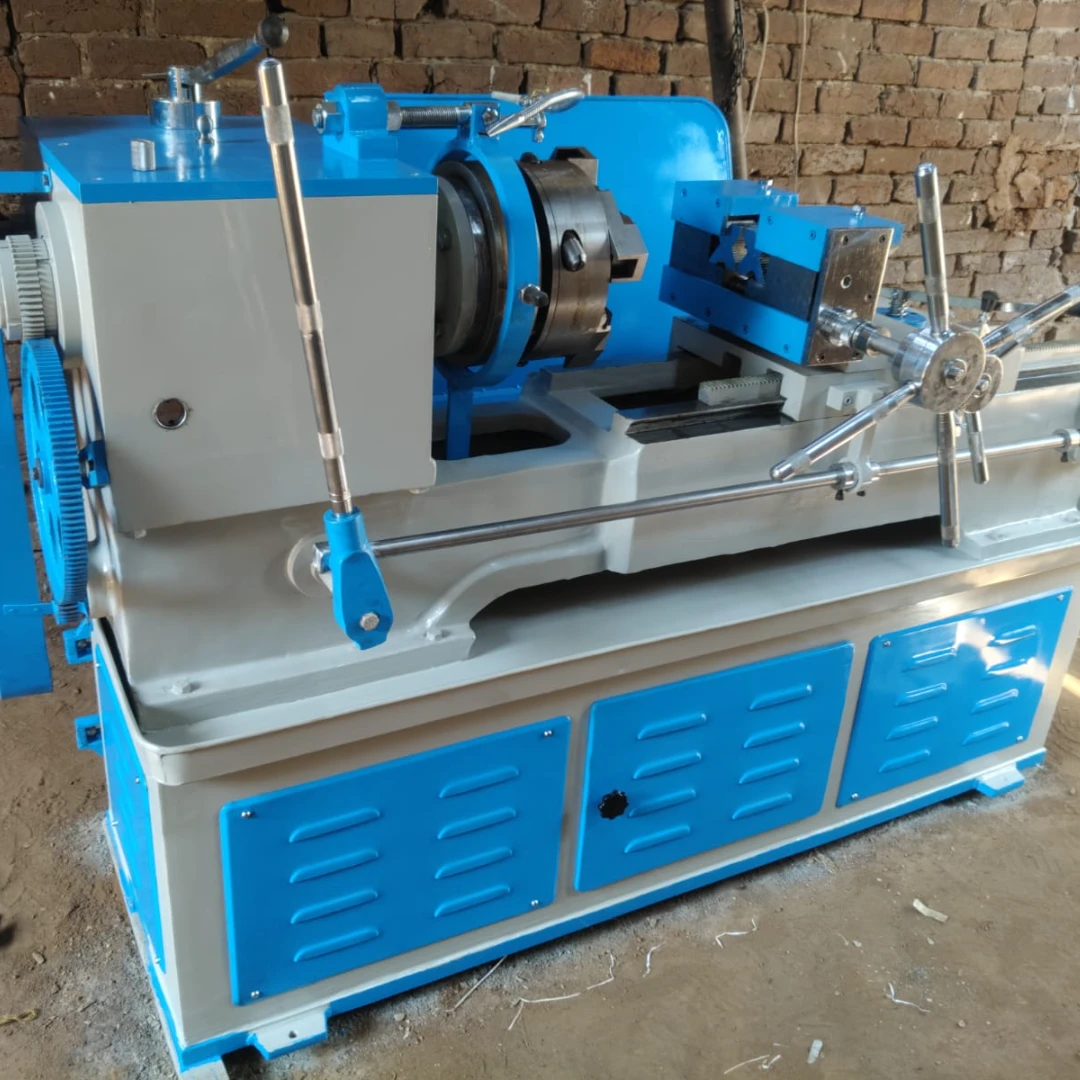
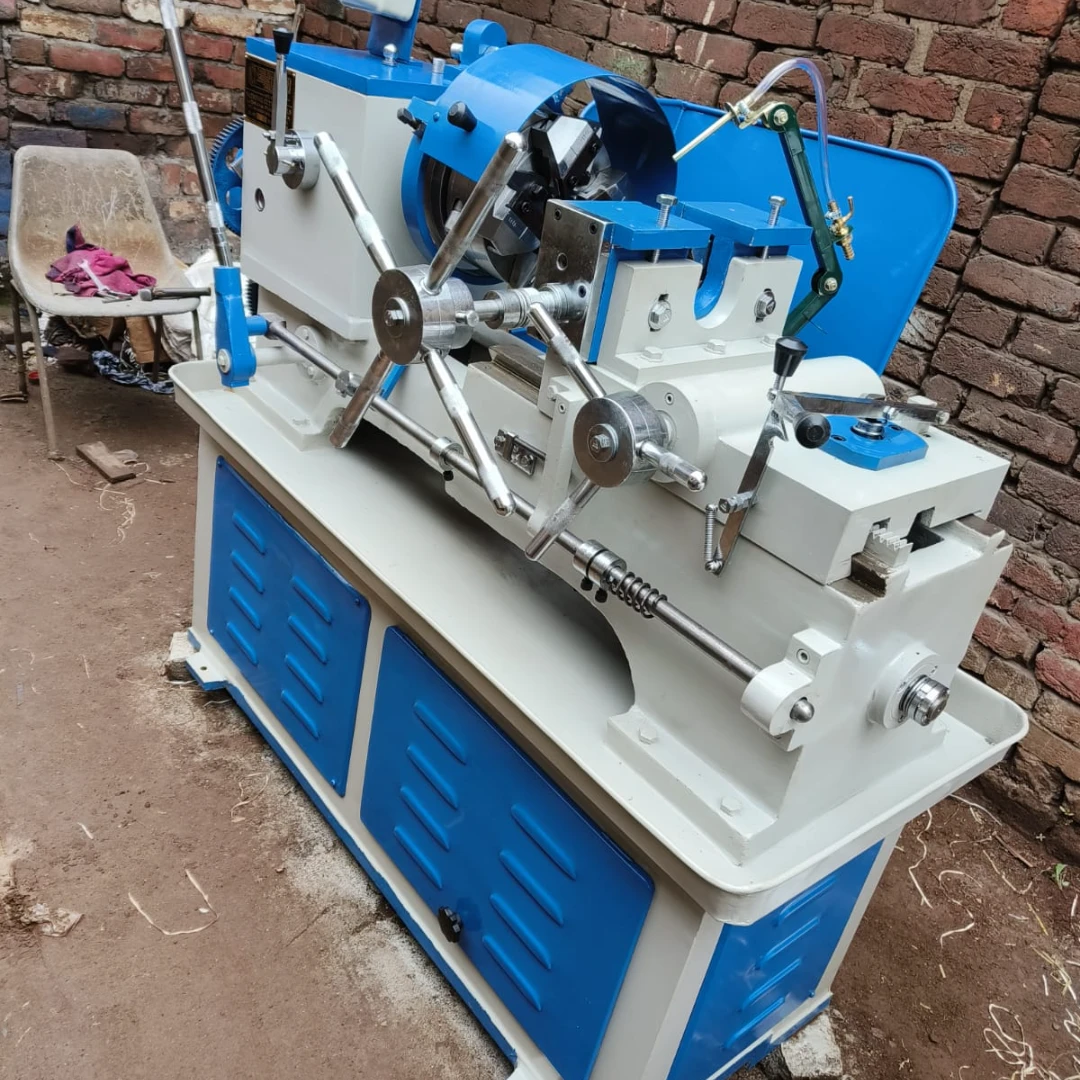
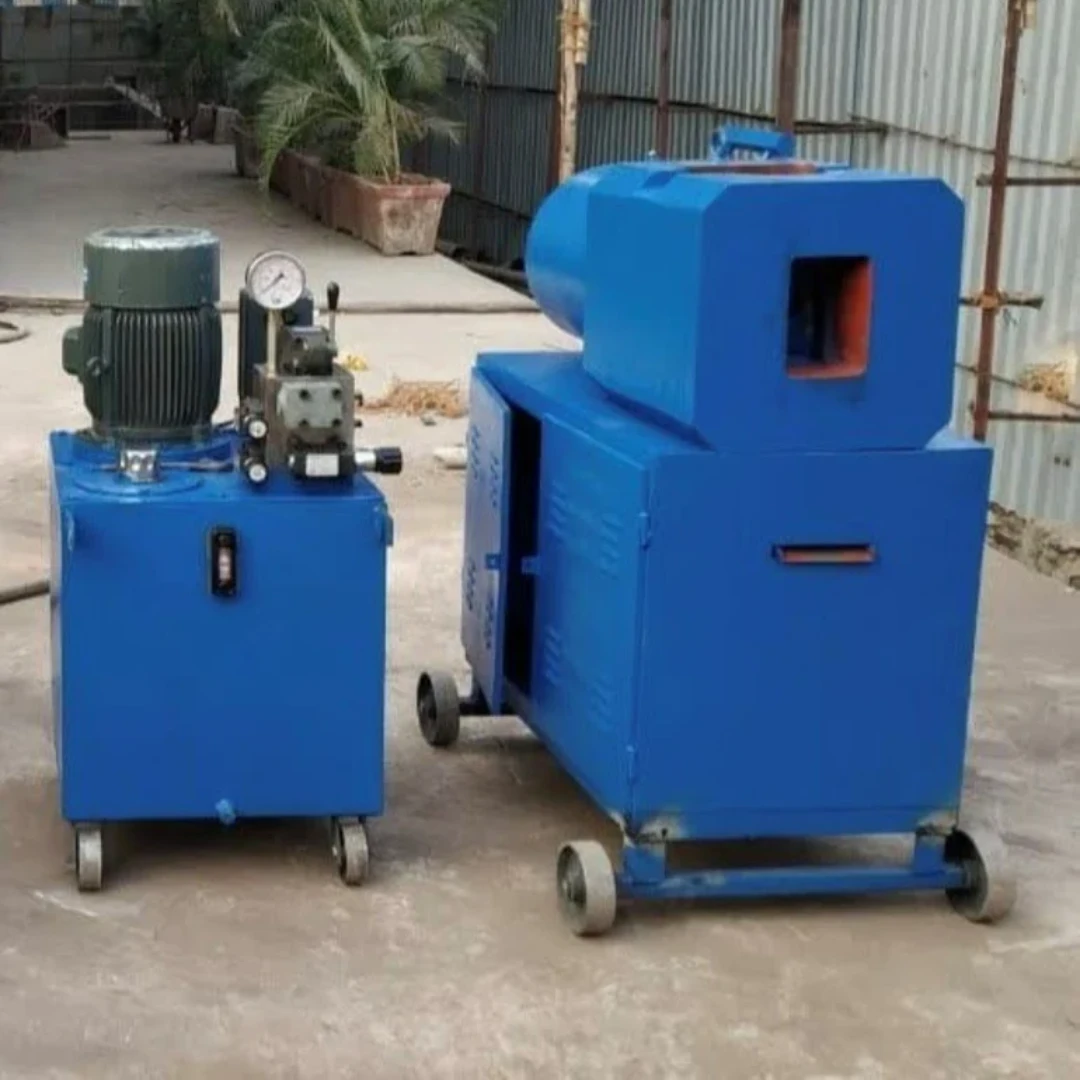
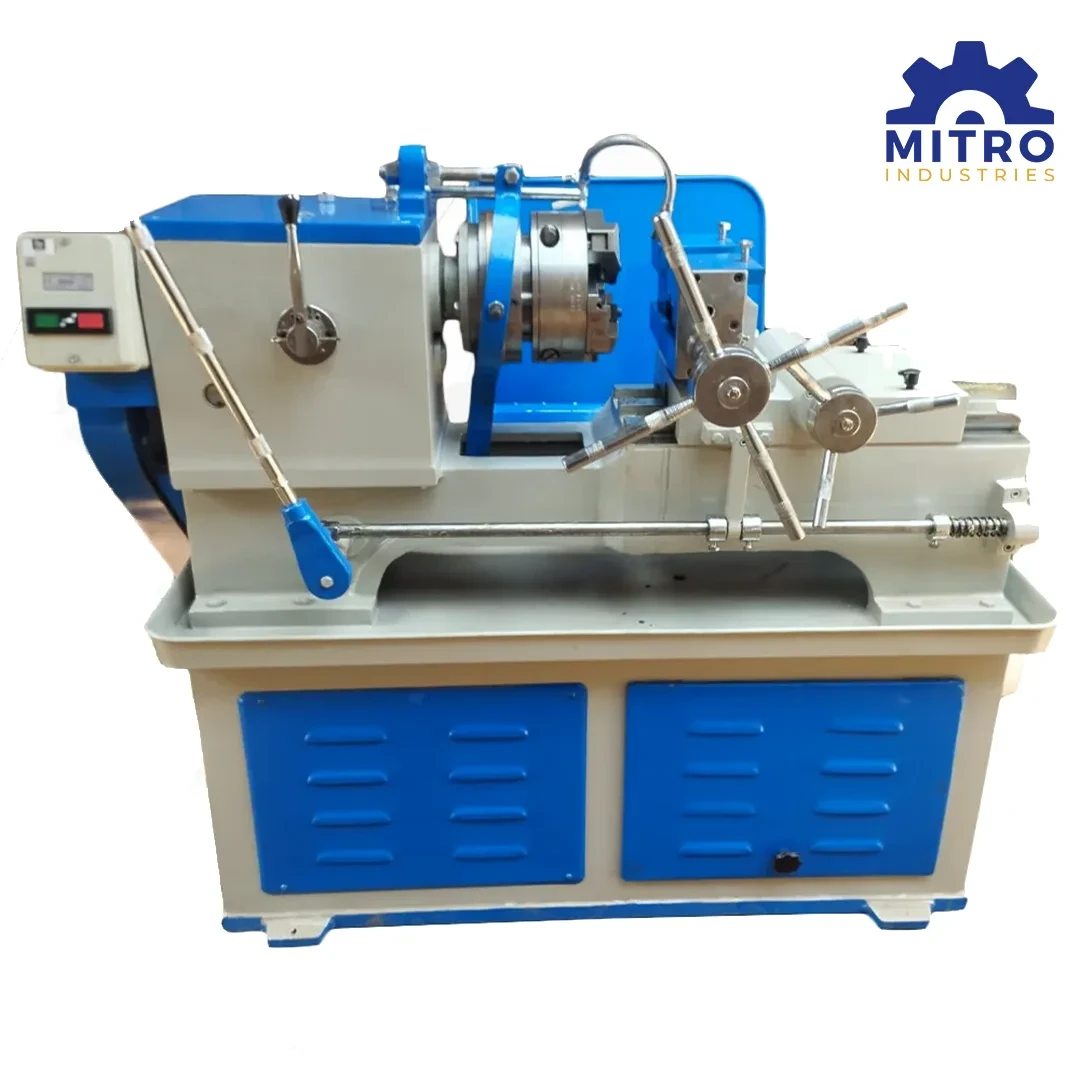
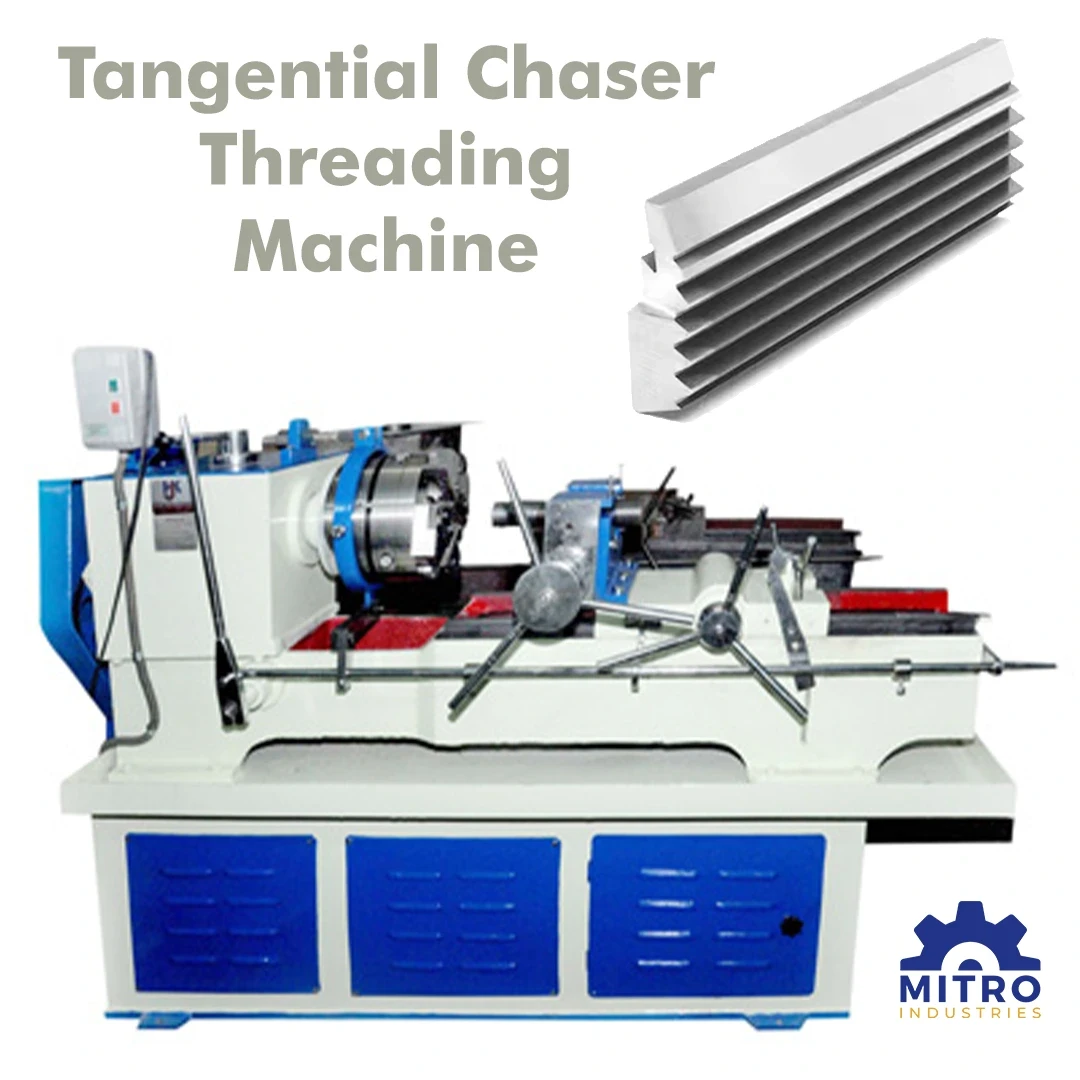
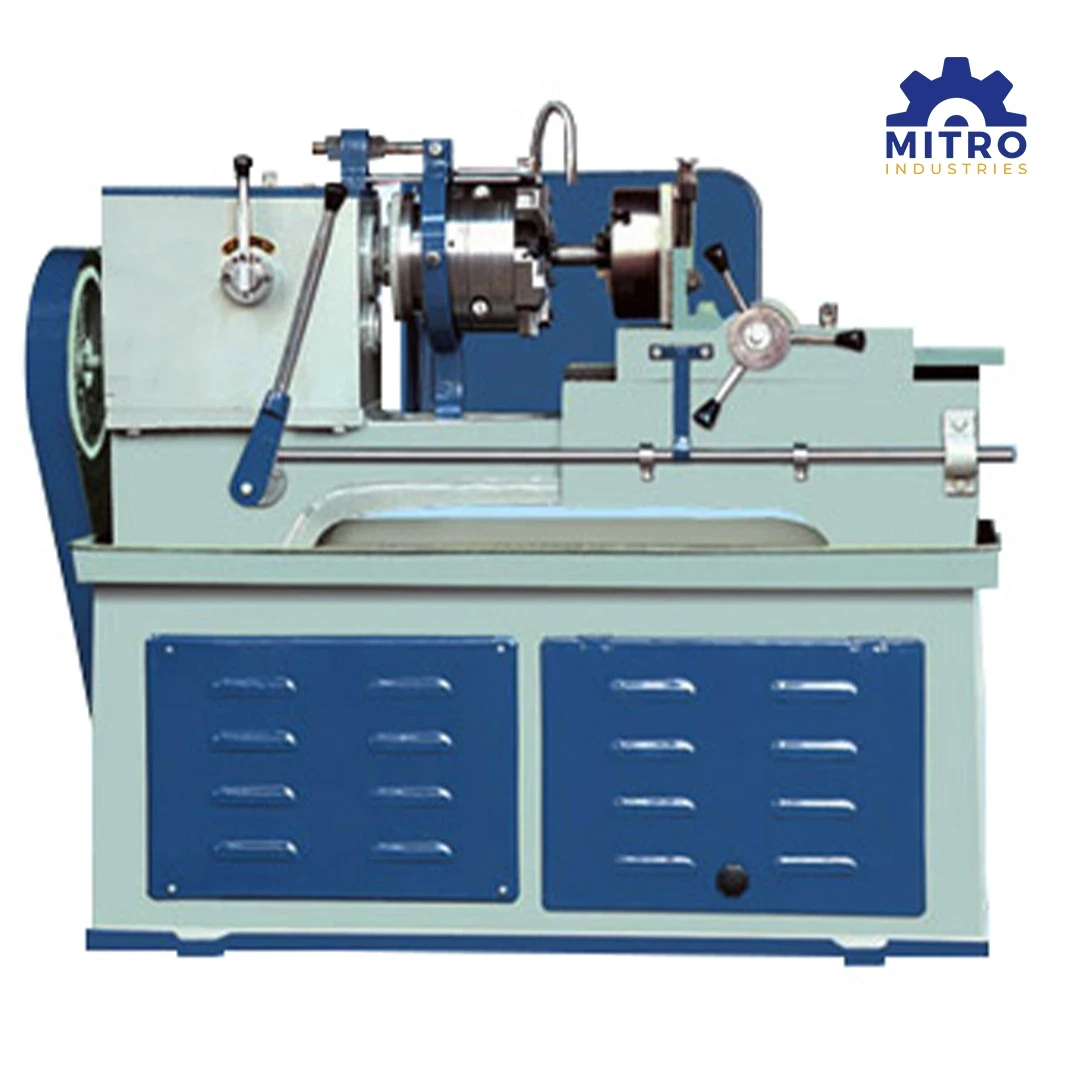
Threading Threads are created on both bar ends using a roll threading machine.
Coupling Both threaded ends are screwed into the coupler.
This creates a continuous load path, making the joint as strong as or stronger than the parent bar.
Key Features
High Strength Joint - Meets standards like ACI 318 (up to 1.25 yield strength or more)
No Lap Splicing Required - Reduces steel consumption
Quick Installation - Saves time and labor
Uni Load Transfer - Ensures structural safety
No Congestion - Ideal for dense reinforcement areas
Quality Control Friendly - Easy inspection
Types of Roll Thread Couplers
Mitro offers variations depending on application
Standard (Right-hand thread)
Positional (Left Right thread) for fixed bars
Reducer coupler connects different bar diameters
Applications
Columns and beams
High-rise buildings
Bridges and highways
Foundations and retaining walls
Precast and infrastructure projects
These couplers are widely used because they replace traditional lap joints, which are longer, weaker, and consume more steel.
Advantages for Connecting 2 TMT Bars
Eliminates overlapping length (lap) saves steel
Provides direct load transfer between bars
Reduces site congestion
Ensures consistent strength and alignment
Suitable for high-load and seismic structures
The Mitro roll-tech (roll thread) coupler is one of the most efficient and widely used systems for joining two TMT bars. It offers strong, reliable, and cost-effective connections, making it a superior alternative to traditional lap splicingespecially in modern high-rise and infrastructure construction.